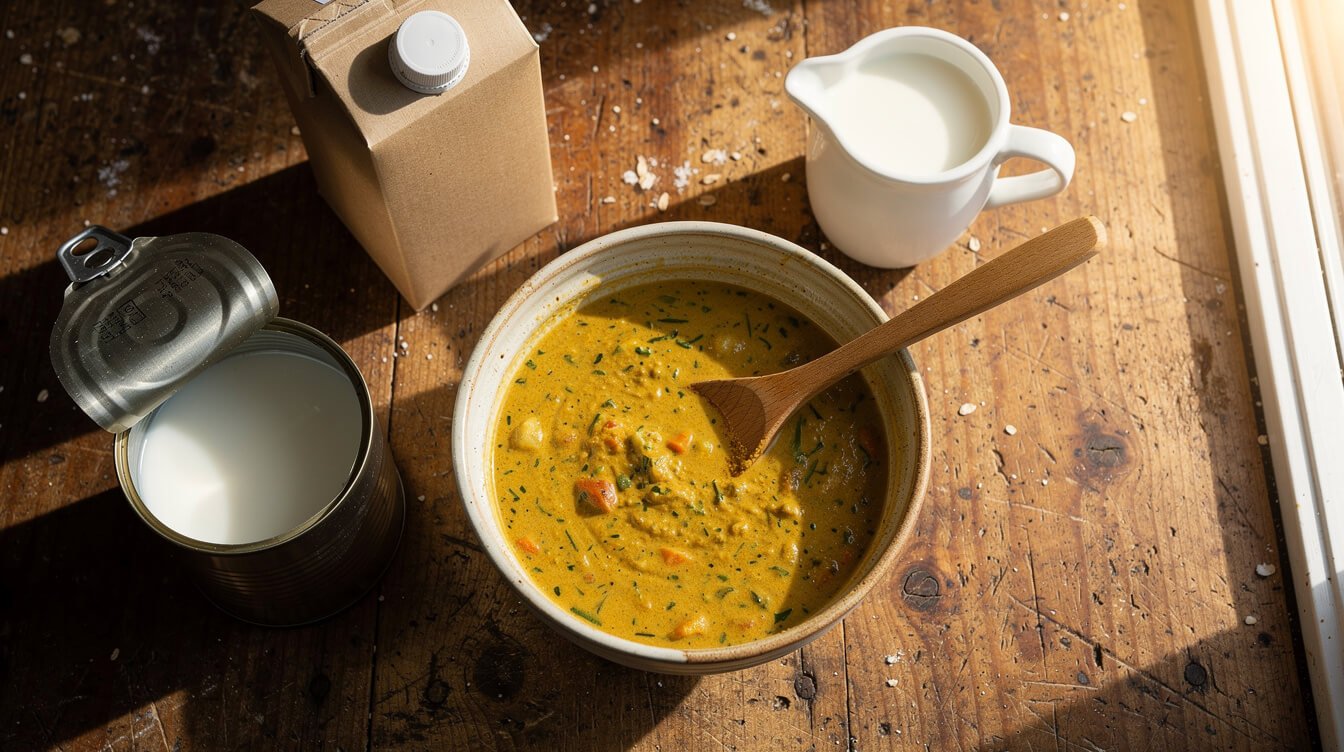
Coconut milk substitute: what to use in curry, soup, and baking
Halfway into a curry and the can you thought was in the pantry isn’t there? You don’t need to go to the store. The right coconut milk substitute depends on one thing: what the coconut milk was doing in your recipe. In a curry it brings fat and body, and it has to survive a simmer. In a cake it brings fat and moisture. In a smoothie it just makes things creamy. Pick the swap that does the same job and nobody at the table will notice.
Below: a quick table by dish, ratios that actually match canned coconut milk (most lists just say “use 1:1” and leave you with a watery sauce), why some swaps curdle in curry, and dairy-free options with honest allergy notes.
Coconut milk substitute: the quick answer by dish
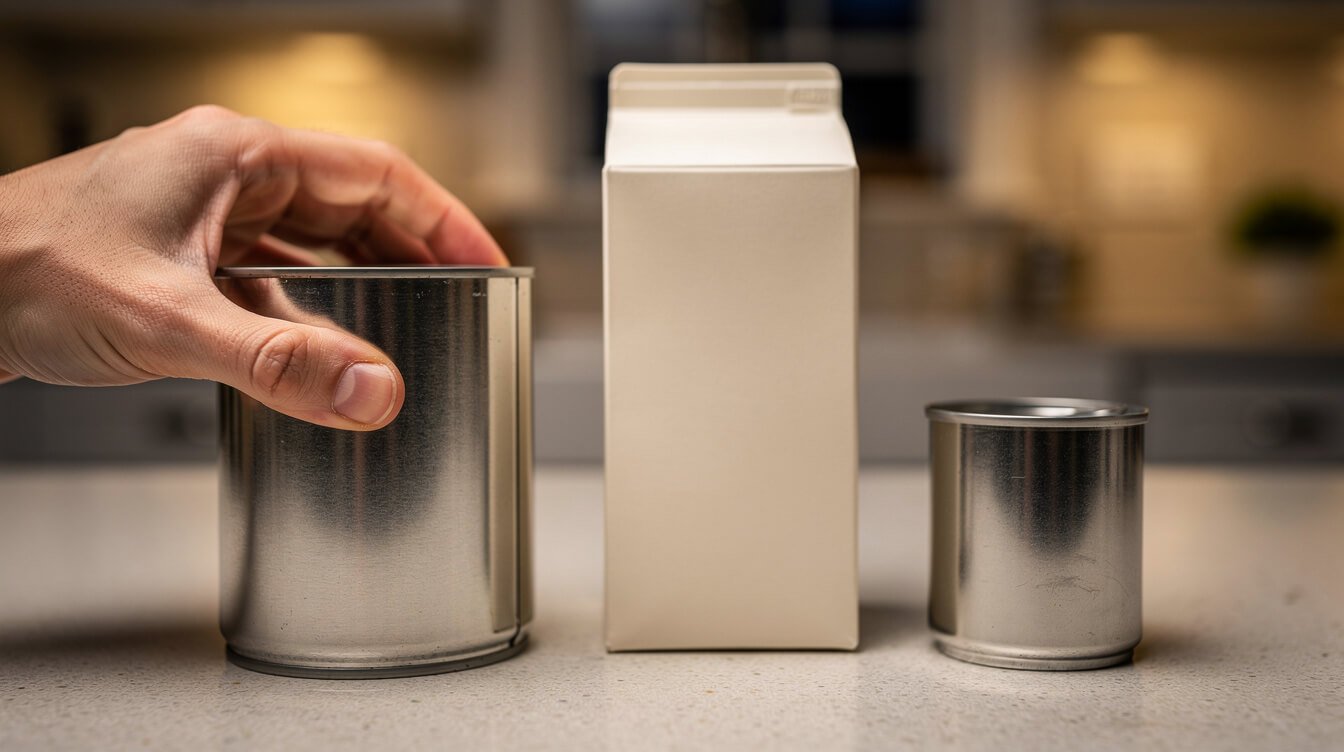
A standard can of coconut milk in the US holds 13.5 ounces, which is about 1⅔ cups. Full-fat canned coconut milk usually runs somewhere around 15 to 20 percent fat, depending on the brand. That fat is what makes a curry silky and a cake tender, so the best swaps match it instead of just matching the volume.
| What you’re making | Best swap (for one 13.5 oz can) | Dairy-free pick | The one thing to do |
|---|---|---|---|
| Curry, simmered sauces | 1 cup heavy cream + ⅔ cup water | Cashew cream (1 cup cashews + 1¼ cups water) | Fry the curry paste in oil first |
| Soup (creamy, blended) | Evaporated milk, or the cream mix above | Blended silken tofu + water | Stir it in at the end and keep it below a hard boil |
| Cake, muffins, quick bread | ⅔ cup heavy cream + 1 cup whole milk | Oat or soy milk + 3 tbsp neutral oil | Match the fat, not just the liquid |
| Rice pudding, custard-style desserts | Half heavy cream, half whole milk | Thick oat milk + 2 tbsp oil | Cook low and stir often |
| Smoothies, oatmeal, coffee | Any milk you like | Oat, soy, or almond milk | Add a spoon of yogurt or nut butter for body |
| Satay and peanut sauces | Thinned peanut butter | Same (it’s dairy-free) | 3½ oz peanut butter + 1¼ cups warm water |
Why the cream-and-water mix? US heavy cream is at least 36 percent fat. One cup of it plus ⅔ cup water lands you at roughly 21 percent, right in coconut milk territory, and in the same volume as a can. Cream and whole milk mixed for baking comes out in the same range. That’s the whole trick: you’re rebuilding coconut milk’s fat level with what’s already in your fridge.
One honest limit. None of these taste like coconut. If coconut is the star of the dish, like a coconut cake or a Thai coconut soup, a swap gives you a good dish with a different flavor, not the same dish. For curries, soups, and most baking, that’s completely fine. Spices and aromatics carry more of the flavor than you’d think.
Check the can first: four near-misses that aren’t coconut milk
A lot of “I’m out of coconut milk” moments are really “I have the wrong coconut thing” moments. Some of these work with a quick fix. One will wreck a savory dish.
Coconut cream: works, just thin it
Coconut cream is coconut milk with less water, so it’s richer, often well above 20 percent fat. It’s the easiest swap there is. Start with 2 parts coconut cream to 1 part water and stir until smooth. If your brand is very thick (some set almost solid in the can), go closer to half and half. Taste and look: you want it to pour like heavy cream, not like yogurt.
Light coconut milk: works, but it’s thinner
Light coconut milk is regular coconut milk with extra water added, and it has roughly half the fat. Use it 1:1, but expect a thinner sauce with less flavor. In a curry, simmer it a few extra minutes uncovered to reduce, or stir in a tablespoon of cornstarch mixed with a little cold water to thicken. In baking, add 1 to 2 tablespoons of melted butter or oil per cup to make up the fat.
Coconut milk “beverage” in a carton: not for cooking
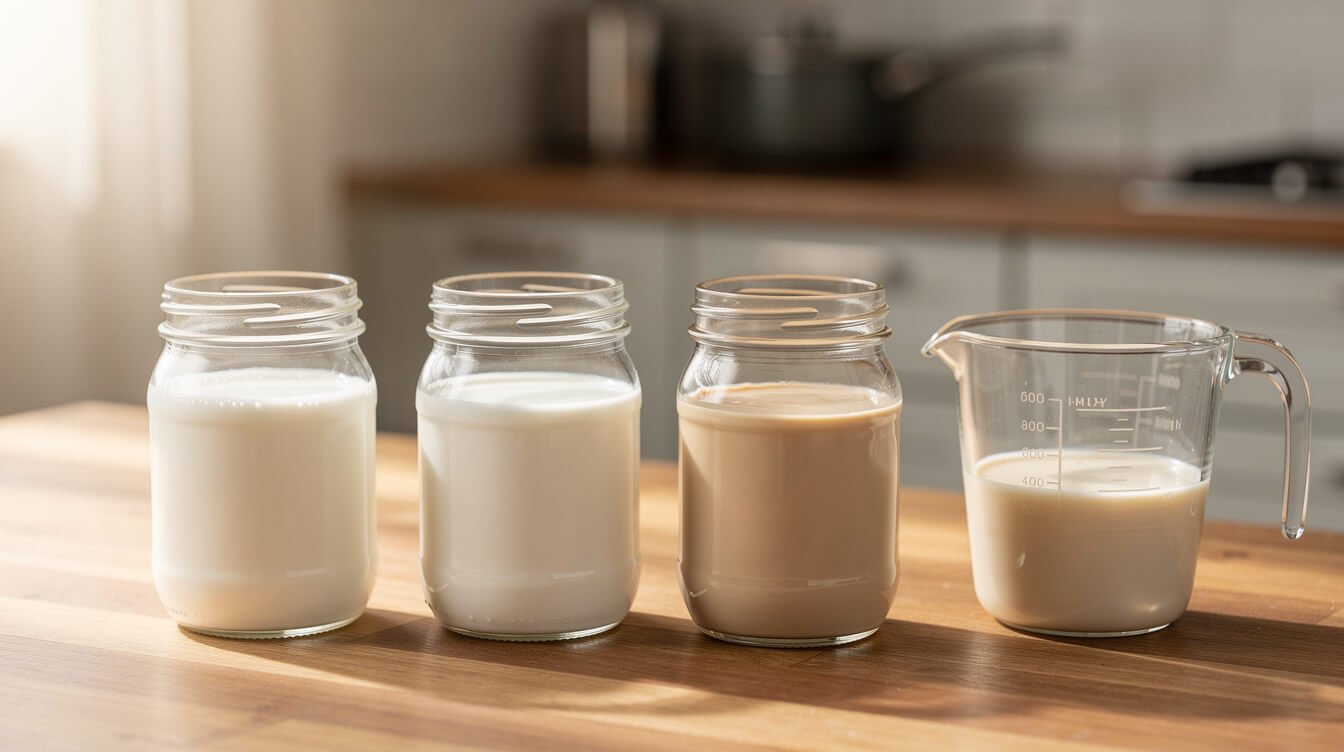
This is the one that catches people. The coconut milk sold in cartons on the dairy or plant-milk shelf is a drinking milk, not a cooking ingredient. It’s usually around 2 percent fat, about the same as low-fat dairy milk, and it’s often sweetened or vanilla-flavored. Pour it into a curry and you’ll get a thin, watery sauce. Treat it like any other plant milk and use the dairy-free fixes later in this post: add oil for richness and a little cornstarch for body. (Shelf-stable cartons of cooking coconut milk exist too, usually near the canned stuff in the international aisle. Those are fine to use. Check the label for “for cooking” and a short ingredient list.)
Cream of coconut: do not use in savory food
Cream of coconut is the thick, syrupy, heavily sweetened product made for piña coladas and desserts. It often sits on the shelf right next to coconut cream, and the names are confusingly close. In a curry or soup it’ll make the whole pot taste like candy. It can stand in for coconut milk in some sweet recipes if you cut the recipe’s sugar a lot, but that’s a recipe rewrite, not a swap. If the can says “sweetened” or shows a cocktail, put it back.
Best coconut milk substitute for curry and soup

Curry is where a bad swap shows up fastest, because the sauce simmers for a while and usually has acid in it (tomato, lime juice, tamarind). Those two things together are exactly what makes dairy curdle. So for curry, the best coconut milk substitute is one that’s rich and can take some heat.
1. Heavy cream, thinned (best all-around)
Use 1 cup heavy cream plus ⅔ cup water for each can. Heavy cream has a lot of fat and comparatively little protein, and protein is what clumps when dairy curdles, so it holds up to a simmer far better than milk or half-and-half. It’s rich, mild, and lets the spices come through. This is what many Indian restaurant-style curries use anyway, so it doesn’t taste like a compromise.
2. Evaporated milk (good for lighter curries and soups)
Evaporated milk is milk with about 60 percent of the water cooked off. The heating changes its proteins, which makes it noticeably more stable in hot sauces than regular milk. A 12-ounce can is about 1½ cups, so top it up with a few tablespoons of water to match a coconut milk can. It’s lower in fat (around 7 to 8 percent), so the sauce will be lighter. Stir in a tablespoon or two of butter or oil if you want it richer. Make sure you grab evaporated milk, not sweetened condensed milk, which is a dessert ingredient.
3. Cashew cream (best dairy-free for curry)
Soak 1 cup raw, unsalted cashews in just-boiled water for 30 minutes (or cold water for 4 hours), drain, and blend with 1¼ cups fresh water until completely smooth. That makes about one can’s worth. It won’t curdle, it’s naturally a little sweet, and it’s what a lot of North Indian kormas use for richness to begin with. It thickens as it cooks, so keep some water nearby to loosen the sauce. Cashews are a tree nut, so skip this one for anyone with a nut allergy.
4. Greek yogurt (careful)
You’ll see full-fat Greek yogurt on a lot of lists, and it does add great body and tang. But it splits into grainy curds if it boils. If you want to use it, cook the curry with stock or water instead of the coconut milk, then turn the heat off at the end. Stir a few spoonfuls of the hot sauce into the yogurt to warm it, then stir the yogurt into the pot. Warm it gently and don’t let it bubble. Mixing 1 teaspoon of cornstarch into each cup of yogurt before you add it gives you a little more insurance.
The step most substitute lists skip: fry the paste first
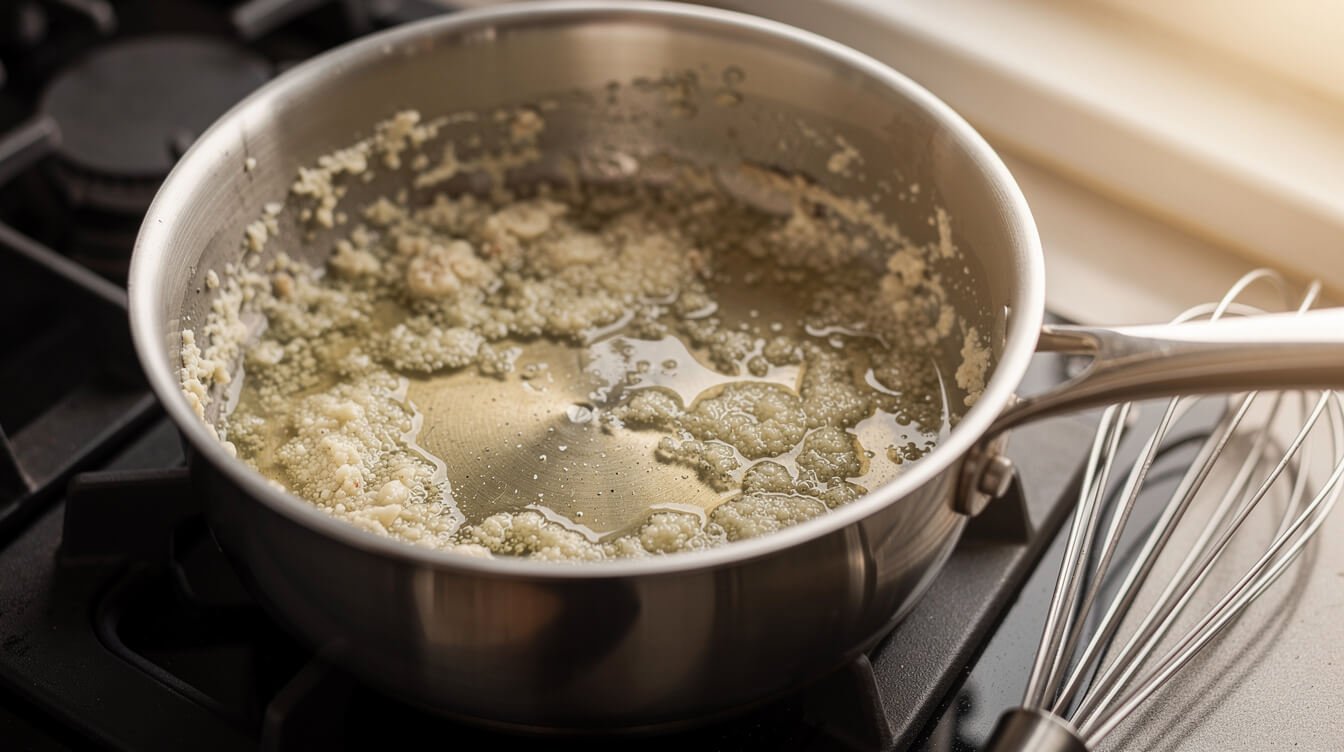
In Thai cooking, the thick coconut cream at the top of the can is often heated until its oil separates, and the curry paste gets fried in that coconut fat. That step is where a lot of the flavor comes from. It’s also why some curries made with a substitute taste flat: you’ve lost the fat that did the frying. The fix is easy. Heat 2 tablespoons of neutral oil (or coconut oil, if coconut isn’t the issue) over medium heat, add the curry paste, and stir it for 1 to 2 minutes until it smells strongly fragrant and darkens a shade. Then add your liquid. Same goes for Indian-style curries: bloom the ground spices in oil or ghee before any liquid goes in.
For a weeknight version of this, our easy weeknight dinners for family are built around exactly this kind of pantry-flexible cooking. If you’re only cooking for two, the weeknight dinners for two post scales the same ideas down.
Why your swap curdled or tasted flat (and how to fix it)
Two things go wrong when you swap out coconut milk: the sauce breaks into grainy bits, or it tastes thin and dull. Both have clear causes, and both are usually fixable.
Why dairy curdles in curry
Milk proteins clump together when they get hot and meet acid. Coconut milk doesn’t do this the same way, which is why recipes written for coconut milk often add lime juice or tomatoes without a second thought. Swap in milk, half-and-half, sour cream, or yogurt and simmer it with that acid, and the proteins tighten into little curds. The less fat and the more protein a dairy product has, the faster it happens. That’s why heavy cream is safe in most curries and skim milk almost never is.
How to prevent it:
- Use the richest dairy you have. Heavy cream, thinned with water, before half-and-half, before milk.
- Add acid at the end. Hold the lime juice or vinegar until the pot is off the heat.
- Keep it at a gentle simmer. Small, lazy bubbles, not a rolling boil.
- Temper yogurt and sour cream. Warm them with a few spoonfuls of hot sauce before they go in, and add them last.
- A little starch helps. A teaspoon of cornstarch per cup of yogurt or milk makes it more stable.
If it already curdled
Take the pot off the heat right away. If it’s only slightly grainy, an immersion blender will often smooth it out, which is a perfectly good fix for a blended soup or a thick curry. You can also whisk in a few tablespoons of heavy cream off the heat. A badly split sauce won’t come all the way back, but it’s still safe to eat and tastes fine. It just looks rustic.
If it tastes flat
Coconut milk brings a gentle sweetness and a rich, rounded flavor, so a swap can taste a bit empty. Try these, one at a time, tasting as you go:
- Salt first. Most flat-tasting curries need more salt, or a splash of fish sauce or soy sauce.
- A pinch of sugar. Half a teaspoon of sugar or a drizzle of honey replaces coconut’s natural sweetness.
- A squeeze of lime at the end, off the heat, to brighten it up.
- A spoonful of coconut oil or a handful of toasted unsweetened shredded coconut on top, if coconut itself isn’t the problem. You’ll get a lot of the aroma back.
A good whisk and a heavy-bottomed saucepan do more to keep a sauce from breaking than any single ingredient, because they keep the heat even. If you’re kitting out a kitchen, our 100 Essential Tools Every Chef Has in Their Kitchen guide covers what’s worth buying first.
From the Eat Cafe kitchen
One good recipe a week, straight to your inbox
The recipe we're actually cooking this week, plus the one tip that saves it when it goes sideways. No spam. Unsubscribe anytime.
Coconut milk substitute in baking and desserts
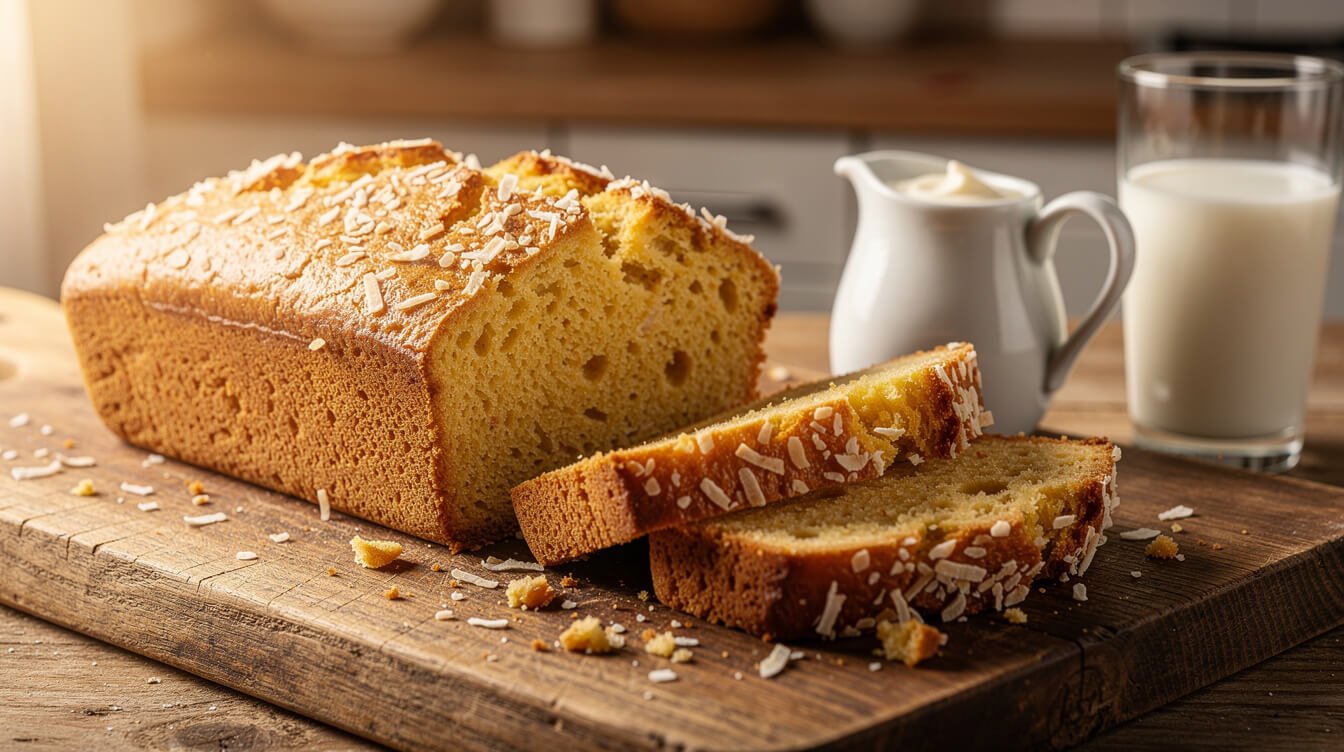
In baking, coconut milk is doing two jobs at once: it’s the liquid, and it’s a big share of the fat. Swap in plain milk at 3 or 4 percent fat and the batter has the right amount of liquid but much less fat. You’ll get a cake that’s a bit drier, tougher, and quicker to go stale. So in baking, the fix is to put the fat back.
Dairy: cream plus milk
For each cup of coconut milk, use about ⅓ cup heavy cream plus ⅔ cup whole milk. (For a full can, that’s ⅔ cup cream plus 1 cup milk, like the table above.) It comes out close to coconut milk’s richness. No heavy cream? Use whole milk plus 1½ tablespoons of melted butter per cup. It’s not quite as rich, but it’s close enough for muffins and quick breads.
If you’re curious why the fat matters so much, our posts on the butter substitute in baking and the substitute for vegetable oil in baking go deeper into what fat does to the crumb. The same rules apply here.
Dairy-free: plant milk plus oil
Plant milks are thin and low in fat, so add some back. For each cup of oat or soy milk, whisk in 2 to 3 tablespoons of neutral oil (canola, sunflower, or a light olive oil). Oat and soy are the best choices for baking because they have more body than almond or rice milk. Unsweetened, unflavored versions are the safest bet. A vanilla milk in a savory muffin is not a fun surprise.
Rice pudding, panna cotta, and custard-style desserts
These are the desserts where coconut flavor tends to matter most. A half-cream, half-whole-milk mix gives you the same silky texture. Add ¼ teaspoon of coconut extract per cup of liquid if you want the coconut flavor back and nobody’s avoiding coconut. Cook on low and stir often: milk-based puddings scorch more easily than coconut milk ones.

The tools that make swaps like this easy
A blender for cashew cream, a fine-mesh sieve or nut milk bag, a sturdy whisk, and a heavy saucepan cover almost every swap on this page. Our 100 Essential Tools guide walks through what earns its spot in a home kitchen, what you can skip, and what to buy first.
Dairy-free and allergy-friendly coconut milk substitutes
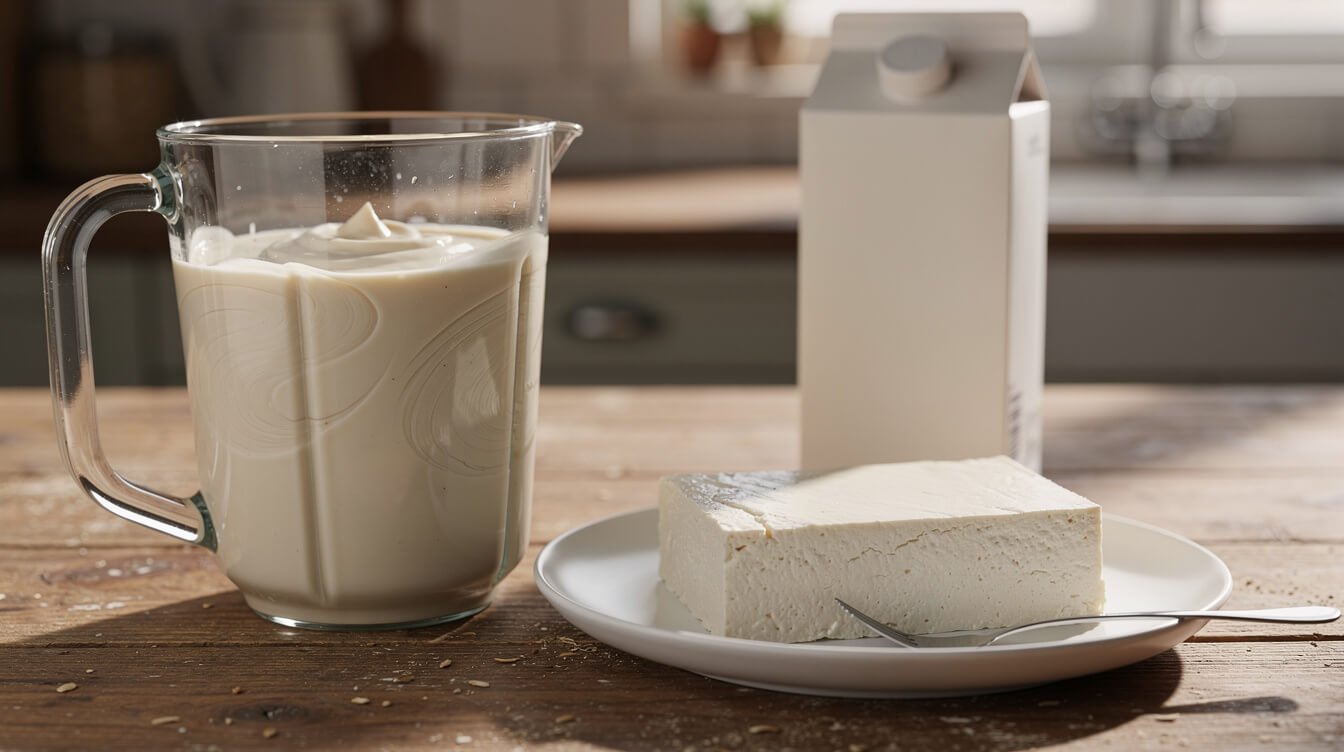
Plenty of people use coconut milk precisely because it’s dairy-free, so swapping in cream isn’t an option. Others are avoiding coconut itself. Either way, there are good choices. One important note first: dairy-free doesn’t mean allergen-free. Several of the best swaps are made from common allergens, so if you’re cooking for someone with a food allergy, check every label, every time.
Cashew cream
The best dairy-free all-rounder, for both curry and baking (recipe in the curry section above). It’s rich, neutral, and heat-stable. Allergy note: cashews are a tree nut.
Blended silken tofu
Blend equal parts silken tofu and water (or unsweetened plant milk) until completely smooth. About 7 ounces of tofu plus ¾ cup water makes roughly one can’s worth. It’s great in blended soups and creamy sauces and has almost no flavor of its own, so season well. Allergy note: tofu is soy.
Oat milk
Thicker than most plant milks and very mild. “Barista” or extra-creamy versions are the closest to coconut milk, and they also hold up better in hot sauces. For curry, add 1 to 2 tablespoons of oil per cup and thicken with a little cornstarch. Allergy note: if you’re cooking for someone with celiac disease, choose an oat milk labeled certified gluten-free, since oats are often processed alongside wheat.
Soy milk
Higher in protein than other plant milks, which gives it more body. That same protein means it can curdle with acid and heat, a lot like dairy milk does, so add it near the end and keep lime juice or vinegar until the pot is off the heat. Allergy note: soy.
Nut and seed butters, thinned
Whisk about 3½ ounces (a generous ⅓ cup) of peanut butter, almond butter, or tahini with 1¼ cups warm water, adding the water a little at a time so it doesn’t seize up. Peanut butter is wonderful in satay sauces, peanut stews, and Thai-style peanut curries. Tahini gives a nuttier, slightly bitter edge that works in grain bowls and roasted vegetable sauces. Allergy note: peanuts, tree nuts, and sesame are all major allergens.
If you’re avoiding coconut
Skip coconut cream, coconut oil, coconut extract, coconut flour, and homemade coconut milk too. They all come from the same place. When you’re cooking for a coconut allergy, read ingredient lists on curry pastes, plant-based creamers, and dairy-free baked goods, because coconut shows up in a lot of them.
If you’re building a dairy-free week of dinners, our meal prep ideas for the week are easy to adapt with these swaps. For other dairy swaps, see our guides to a ricotta cheese substitute and a mascarpone substitute.
How to make coconut milk from shredded coconut
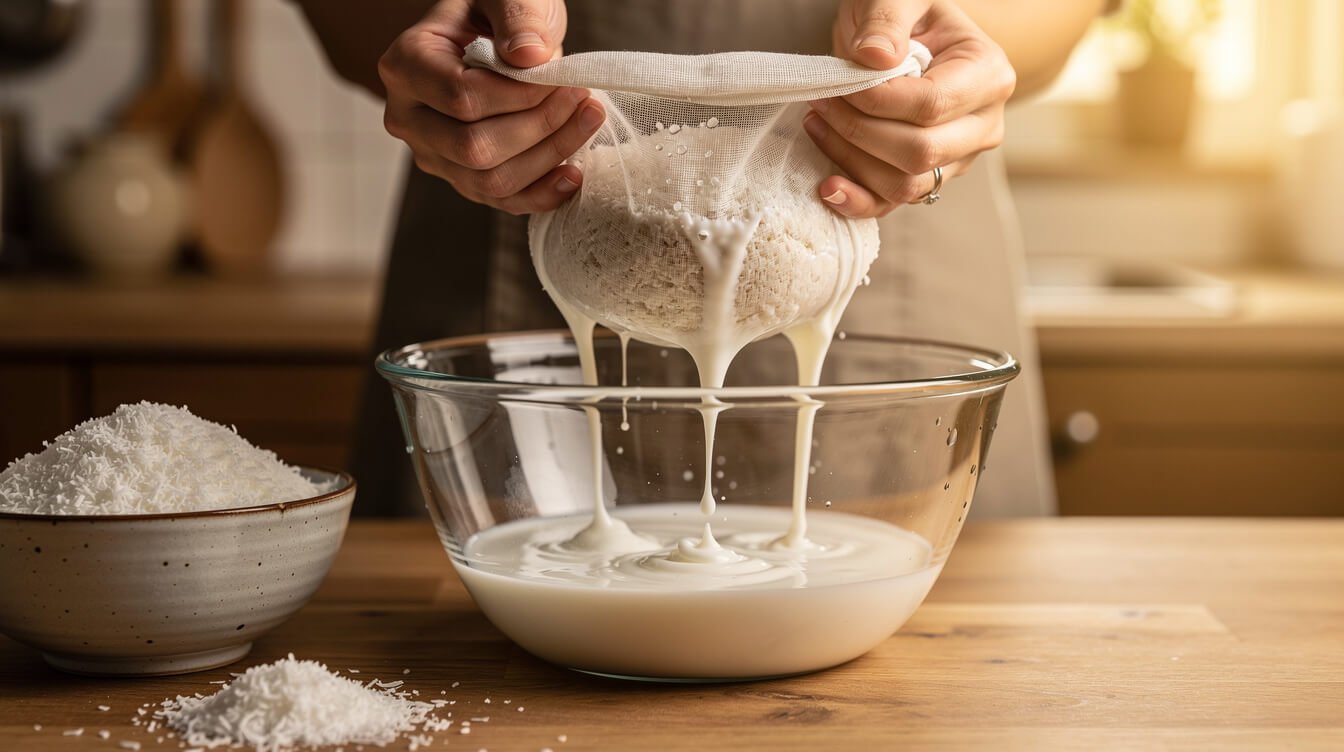
If you have unsweetened shredded or desiccated coconut in the pantry, you’re about 15 minutes from real coconut milk. It’s thinner than canned, more like a light coconut milk, but the flavor is fresh and clean. For curry, use a little less water to make it richer.
What you need
- 2 cups (about 6 ounces) unsweetened shredded or desiccated coconut
- 3 cups hot water (use 2 cups for a richer, curry-ready milk)
- A blender, a bowl, and a nut milk bag, cheesecloth, or a clean thin kitchen towel
How to make it
- Soak. Put the coconut in a heatproof bowl and pour the hot water over it. Let it sit for 10 minutes so the coconut softens and the water cools a bit.
- Blend. Pour it all into the blender and blend on high for 1 to 2 minutes, until the coconut is very fine. Be careful with hot liquid in a blender: fill it no more than halfway, take the small center cap out of the lid, and hold a folded towel over the opening so steam can escape without spraying.
- Strain. Pour the mixture through the nut milk bag or cheesecloth set over a bowl. Let it drain, then gather up the bag and squeeze hard. Most of the good stuff is in that last squeeze.
- Use or store. You’ll have about 2½ cups. Use it right away, or see storage below.
Sweetened shredded coconut will work in a pinch for desserts, but it’ll make savory food taste sugary, so it’s not worth it for curry. The leftover pulp can go into granola, muffins, or oatmeal.
Storing coconut milk (homemade and canned)
Homemade coconut milk has no preservatives, so keep it covered in the fridge and use it within 3 to 4 days. The fat will rise to the top and firm up when cold. That’s normal; shake or stir it back together. Leftover canned coconut milk should come out of the can and go into a covered container in the fridge. Use it within a few days, and check the label, since brands vary. Either kind can be frozen in an ice cube tray for later. It’ll be a little grainy after thawing, which is fine in curry but not ideal in desserts. If coconut milk smells sour, tastes off, or shows any mold, throw it out.
Coconut milk substitute FAQ
What is the best coconut milk substitute?
For curries and savory sauces, heavy cream thinned with water (1 cup cream plus ⅔ cup water per can) is the most reliable. For dairy-free cooking, cashew cream. For baking, a mix of heavy cream and whole milk. If you have coconut cream, thinning it with water beats all of them, because it’s actually coconut.
Can I use regular milk instead of coconut milk?
Yes, but whole milk on its own is much thinner and lower in fat. In baking, add 1½ tablespoons of melted butter per cup. In curry, regular milk can curdle with heat and acid, so add it near the end, keep it at a gentle simmer, and add any lime juice off the heat. Heavy cream or evaporated milk is a safer bet for curry.
Can I use almond milk instead of coconut milk?
In smoothies, oatmeal, and coffee, sure. In curry and baking, almond milk is very thin, so it needs help: add 2 to 3 tablespoons of oil per cup for baking, or a cornstarch slurry plus a tablespoon of oil for curry. Oat milk and cashew cream both give better results.
Is coconut cream the same as coconut milk?
They’re made the same way, but coconut cream has less water and more fat. Thin it with water (about 2 parts cream to 1 part water) and you’ve got coconut milk.
Can I use sweetened condensed milk instead of coconut milk?
Not in savory cooking. Sweetened condensed milk is very sweet and thick. Some dessert recipes can use it if you cut the other sugar way back, but evaporated milk is the one you want for curry and soup.
Final thoughts
Running out of coconut milk isn’t a reason to change dinner plans. Figure out what it was doing in the recipe, then pick a swap that does the same job: thinned heavy cream or cashew cream for curry, evaporated milk for lighter soups, cream and milk for baking, and thinned peanut butter for anything satay. Fry your curry paste in a little oil first, add acid at the end, and keep dairy at a gentle simmer. That covers most of what goes wrong.
And if coconut is the whole point of the dish, it’s okay to make something else tonight and save that recipe for when there’s a can in the pantry. Need dinner ideas instead? Our Thursday night dinner ideas are a good place to start.

Before you go
Want the next one?
We post a new recipe or kitchen guide every day. The best of the week lands in one short email, no life story attached.