How to Make Sourdough Bread More Sour (Without Wrecking the Rise)
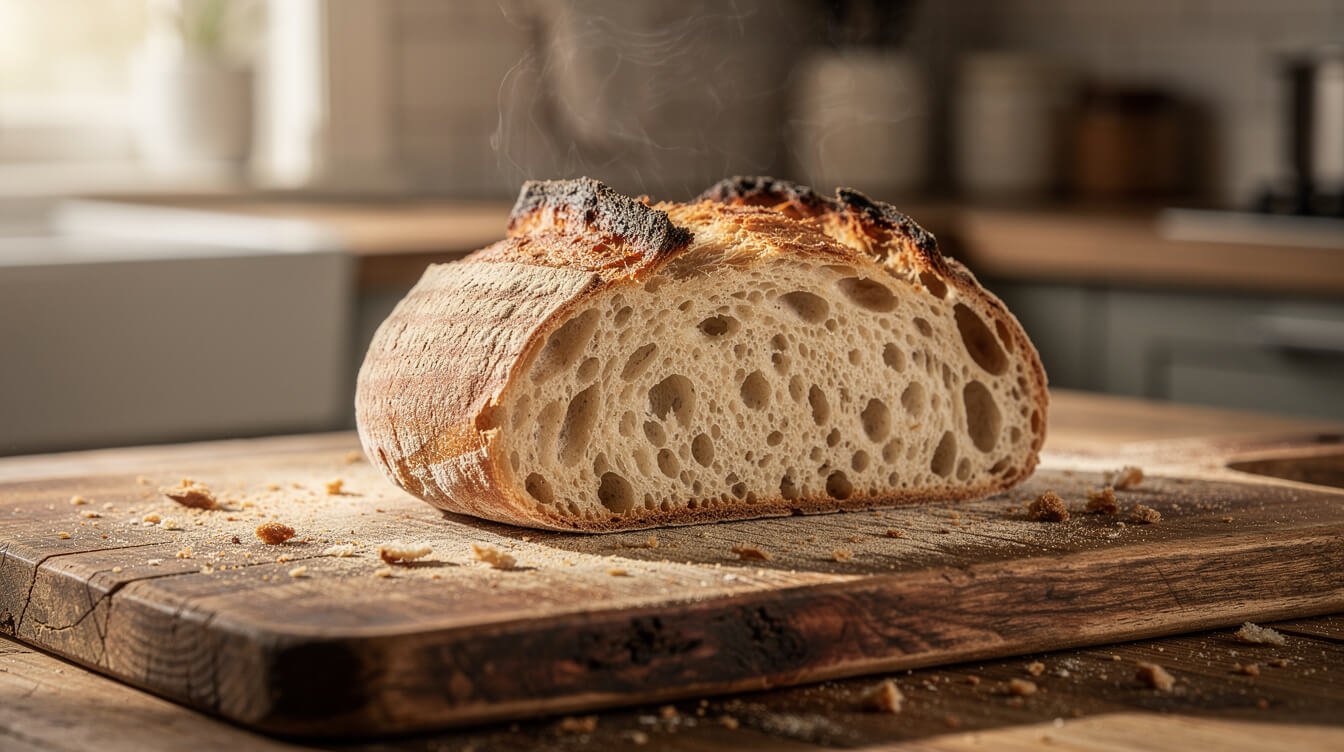
If your sourdough bread tastes more like regular bread with a chewier crust than the tangy, almost-vinegary loaf you were picturing, you’re not doing anything wrong — you just haven’t built the sour yet. Making sourdough bread more sour comes down to a handful of small, controllable choices: how often you feed your starter, how slowly you let the dough ferment, and what flour you use to feed it. None of them require a new starter or fancy gear.
Here’s the thing most guides skip: those choices work in different directions. Some build sourness fast but risk your rise. Others build it slowly and safely. Below is the order that actually works, starting with the single biggest lever.
Quick answer: The fastest, lowest-risk way to make sourdough bread more sour is a long cold retard — 16 to 24 hours in the fridge after shaping, before baking. Stack that with feeding your starter once a day instead of twice, and 20% whole wheat or rye flour in the starter, and you’ll get a noticeably tangier loaf without sacrificing your rise. Save the riskier tactics — like letting your levain fall past its peak — for once you know how your specific starter responds.
Why It Takes Effort to Make Sourdough Bread More Sour
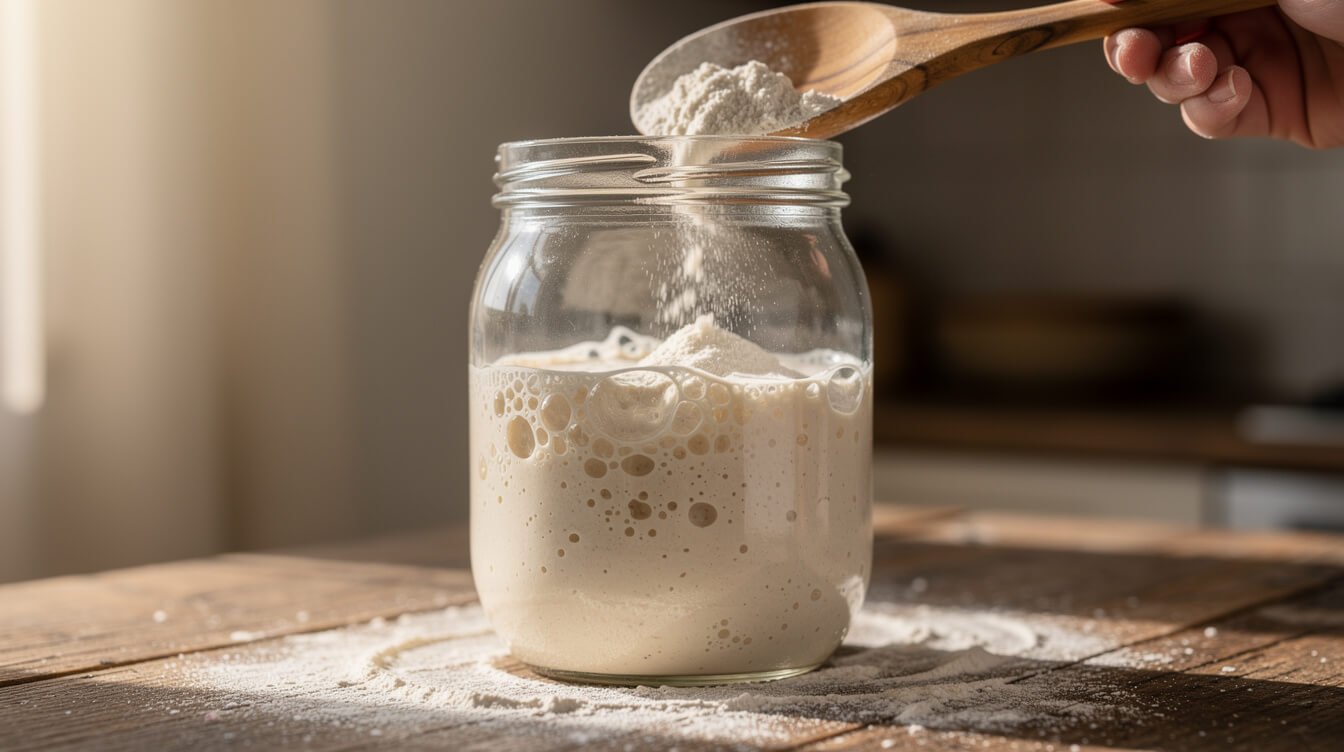
Sourdough’s tang comes from two acids your starter produces as it ferments: lactic acid (mild, yogurt-like) and acetic acid (sharp, vinegary — the one people mean when they say “sour”). A well-fed, frequently-refreshed starter that’s kept warm and used at its peak makes mostly lactic acid. That’s a healthy, active starter — and it’s exactly why a lot of home bakers end up with mild bread. You did the “right” things by the basic-starter playbook, and it just doesn’t push much acetic acid production.
If you’re still working on getting a starter to rise reliably in the first place, our guide to building a sourdough starter from scratch covers that groundwork. Everything below assumes you already have a starter that rises and falls predictably — you’re not fixing a broken starter, you’re tuning a working one for more flavor.
The fix is to nudge fermentation toward acetic acid instead of lactic acid. That means: less frequent feeding, cooler and longer ferments, and flour with more of the minerals and wild yeast that acetic-acid bacteria like. Stack two or three of these and you’ll notice a real difference within a week — no new starter required.
Feed Your Starter Less Often — Hunger Builds Acid
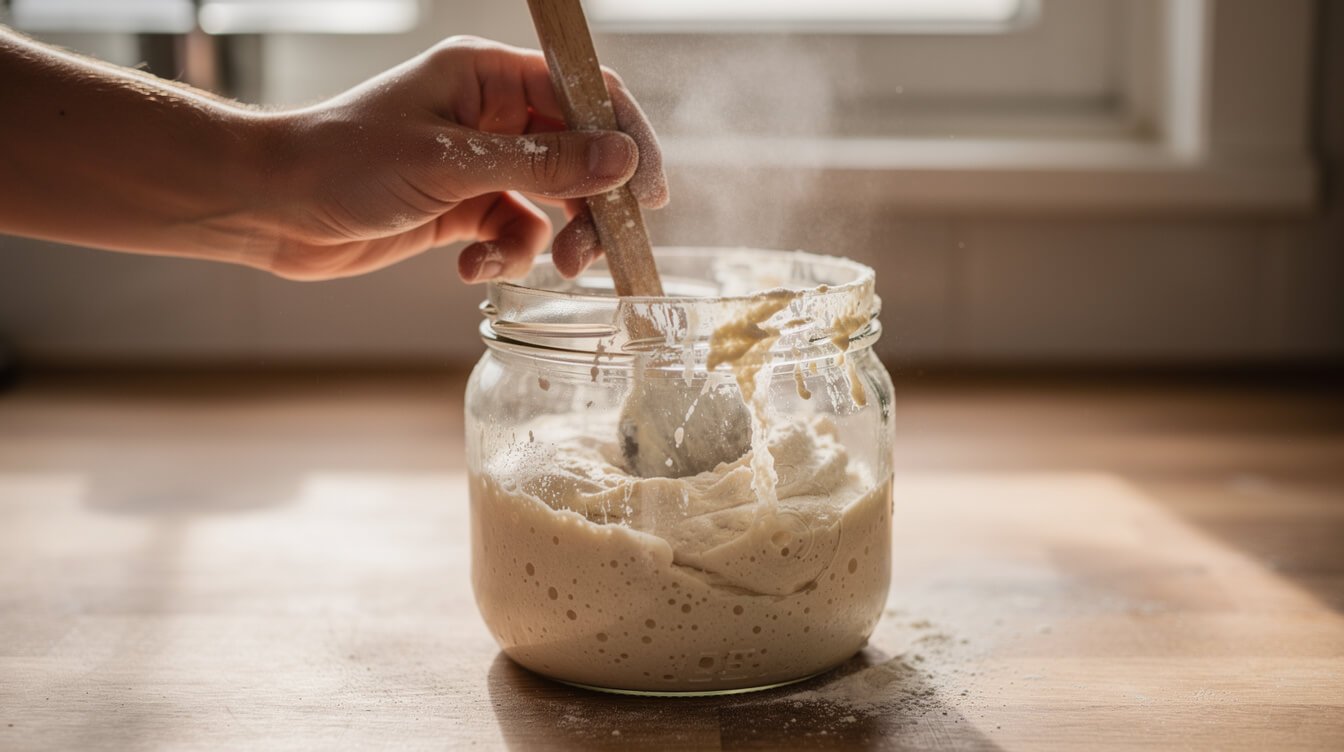
This is the single easiest lever, and it’s free. A starter fed once or twice a day at room temperature is a happy, well-fed starter — and happy starters skew mild. Acetic acid-producing bacteria thrive when the starter is a little hungry and a little stressed, which happens naturally when you stretch the time between feedings.
Try feeding once every 24 hours instead of twice, and let the starter fall past its peak — collapsed, slightly domed-in, maybe a thin layer of dark liquid on top — before you feed it again. That liquid is hooch, and it’s completely normal; it’s actually a sign the starter went hungry long enough to start building real acid. Stir it back in rather than pouring it off if you want more sour, or pour it off if you want to keep some mildness.
If you keep your kitchen warm, move feeding to the fridge for part of the cycle instead of shortening the interval further — a starter left in the fridge for 3-5 days between feeds gets noticeably more sour without going dormant or dying. Just bring it back to room temperature and feed it once or twice before you bake with it, so it has enough active yeast for a good rise.
Slow Everything Down With a Cold Retard
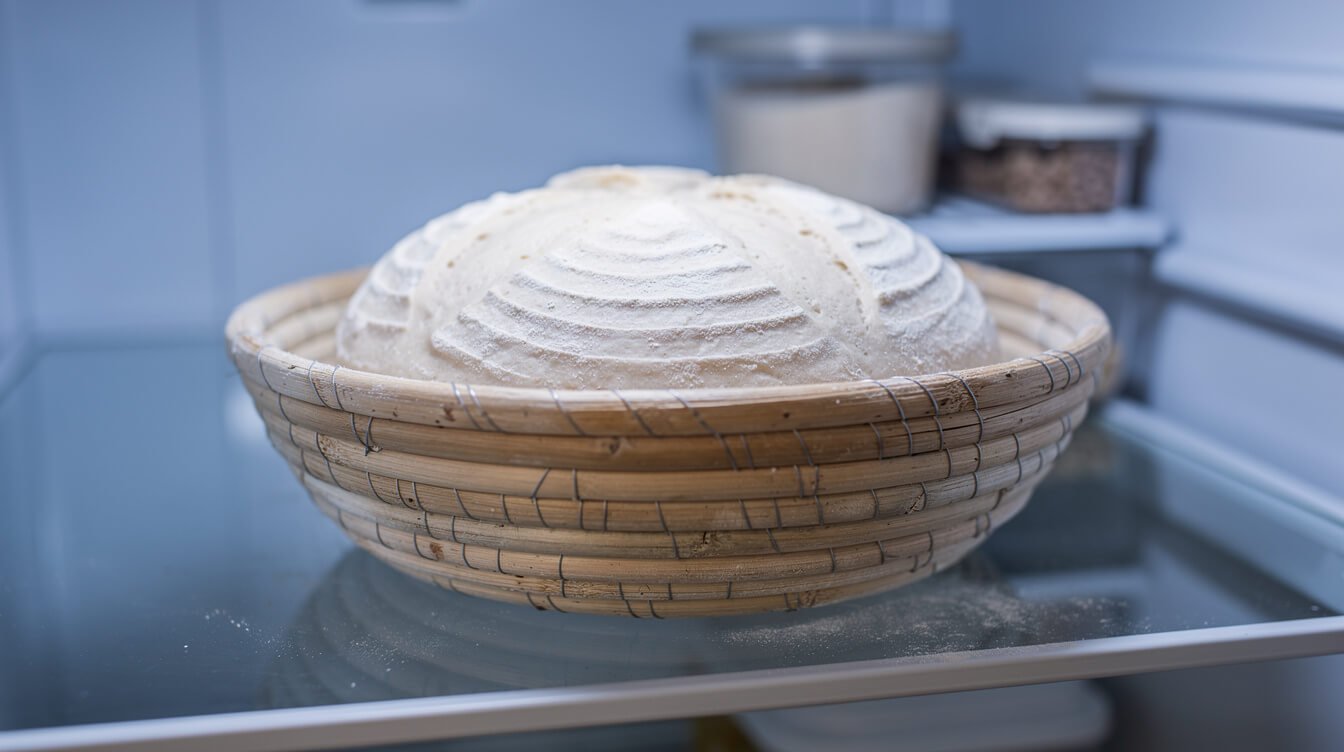
This is the tactic that makes the biggest difference in the finished loaf, not just the starter. After you shape your dough, instead of doing a quick room-temperature final proof, put the shaped dough — in its banneton or bowl, covered — into the fridge for 12 to 24 hours before baking.
Cold slows the yeast down a lot but barely slows the bacteria that produce acetic acid. That gap is exactly what you want: more time for acid to build, without the dough overproofing and collapsing before it hits the oven. A 24-hour cold retard will taste noticeably more sour than an 8-hour room-temperature proof of the exact same dough.
One real trade-off: a longer cold retard can also slightly weaken the dough’s structure, so don’t push much past 24-36 hours unless your dough is on the stronger, well-developed side. If a loaf comes out flatter than usual after a long retard, that’s the fix to look at first — not the sourness technique itself.
Swap In Whole Grain Flour for a Sourness Boost
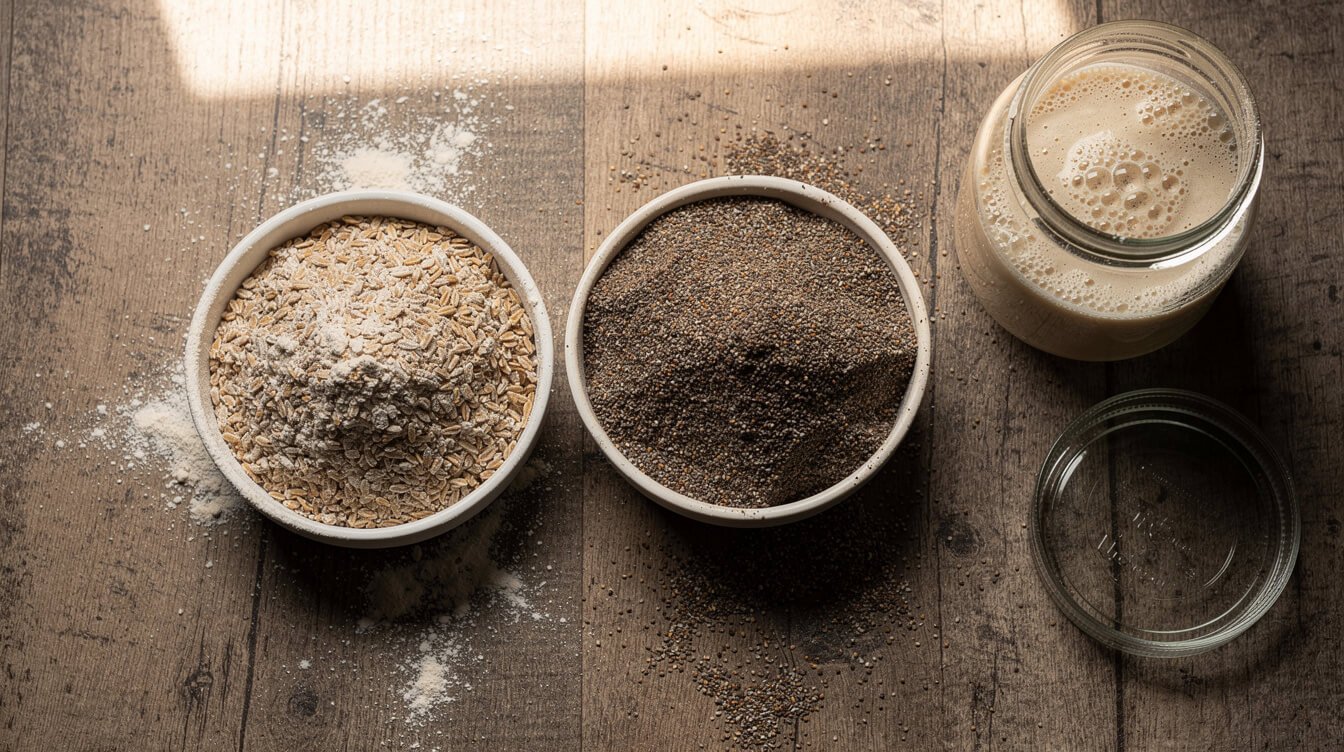
Whole wheat and rye flour carry more of the wild yeast and bacteria naturally present on the grain, plus more minerals that feed them — both push fermentation toward more acid, faster. You don’t need to switch your whole recipe to whole grain to get the benefit.
Start by feeding your starter itself with 20-30% whole wheat or rye instead of all-purpose or bread flour, even if your final dough stays mostly white flour. The starter picks up the flavor boost, and that carries into every loaf you bake from it. If you want to go further, swap 15-20% of your main dough’s flour for whole wheat or rye too — enough to notice in flavor, not so much that you change the dough’s hydration and handling significantly.
Rye in particular is the fastest way to add real tang — it’s what a lot of bakery-style, distinctly sour loaves rely on. Start with a small percentage and adjust up; rye also absorbs more water, so you may need to add a splash more to keep the dough from feeling stiff.
From the Eat Cafe kitchen
One good recipe a week, straight to your inbox
The recipe we're actually cooking this week, plus the one tip that saves it when it goes sideways. No spam. Unsubscribe anytime.
Let Your Levain Go Past Its Peak Before Mixing
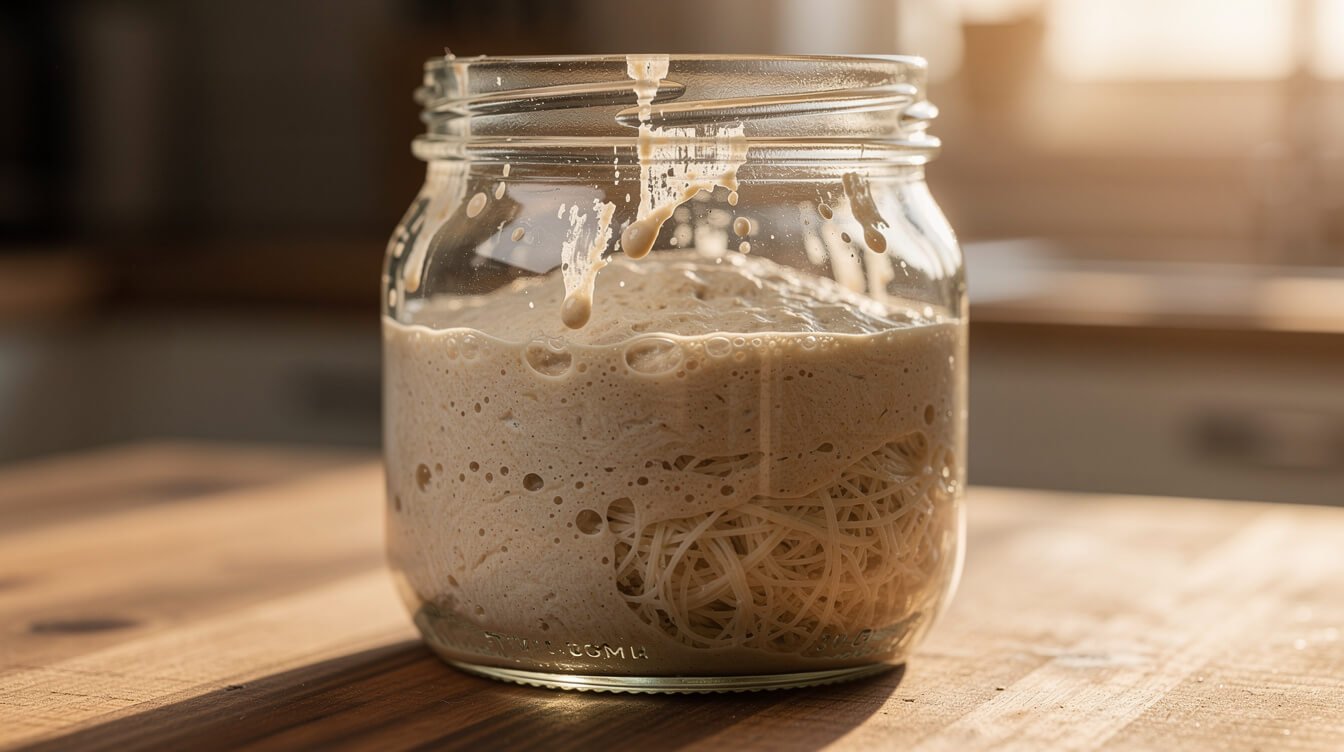
Most recipes tell you to mix your dough when your levain (the batch of starter you build specifically for a bake) is at its peak — doubled, domed, and about to fall. That timing gives you the strongest rise. For more sour flavor, wait a bit longer: let the levain peak, then start to fall slightly, with the surface just beginning to flatten or dimple.
That extra hour or two past peak is when acetic acid really accumulates. You’ll trade a small amount of rising power for it, so expect a slightly less dramatic oven spring — usually not enough to matter, especially if you’re also doing a cold retard, which gives the yeast time to recover some ground later.
Don’t let it go too far past peak, though. If your levain has fully collapsed and smells sharply of alcohol or nail polish remover, it’s over-fermented rather than usefully sour, and your loaf will likely be dense and gummy instead of tangy. A gentle fall is the target, not a full crash.
How to Make Sourdough Bread More Sour Without Losing the Rise
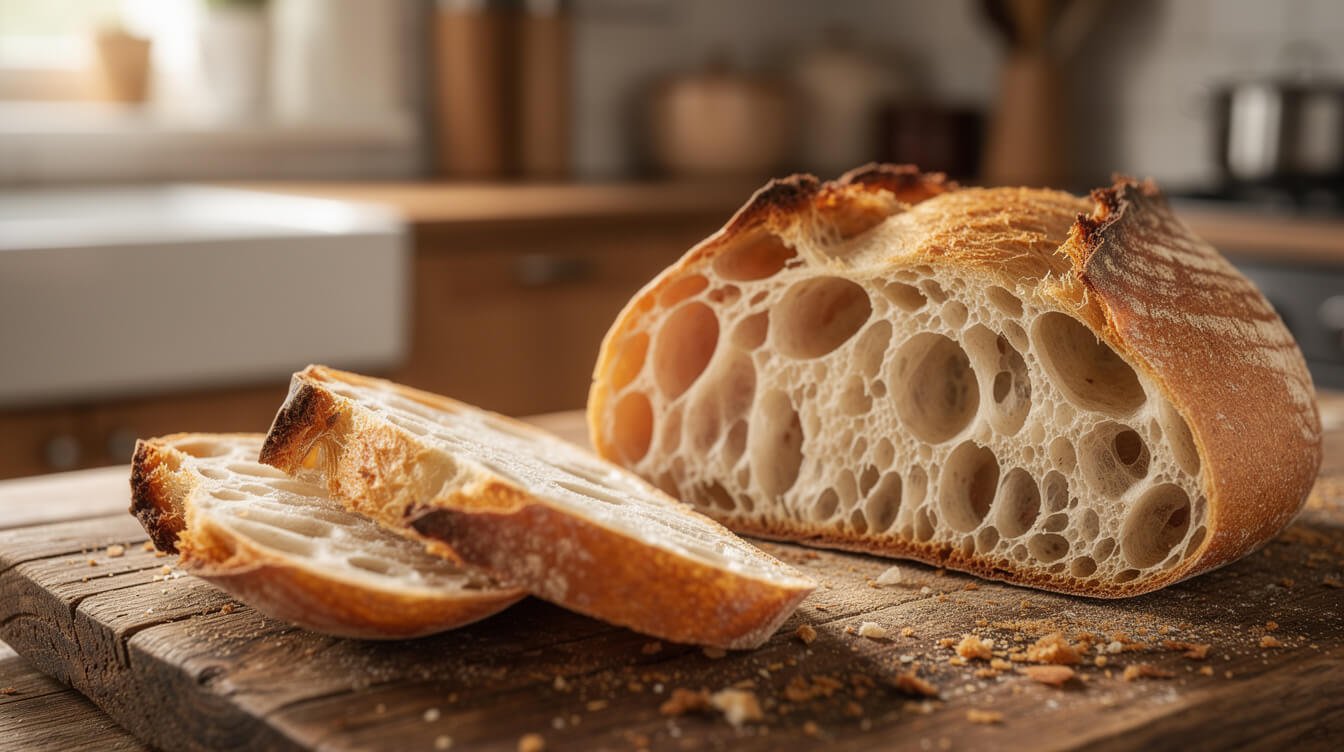
You don’t need to do all of this at once, and you shouldn’t the first time — stack one or two changes, taste the result, then add more. A good starting combination that keeps your rise intact:
- Feed your starter with 20% whole wheat or rye instead of all-white flour.
- Let it go one full day between feeds instead of twice a day, keeping it at room temperature.
- Cold retard your shaped dough for 16-20 hours instead of a same-day bake.
That combination alone will make a noticeably more sour loaf while still rising well, because you’re leaning on time and flour rather than pushing the levain past peak, which is the riskiest lever for rise. Once you know how your specific starter responds, add the past-peak levain trick for an even sharper tang, and dial back whichever variable gave you a flatter loaf than you wanted.
If your kitchen tools make this easier to track, our sourdough starter guide has a simple feeding log you can adapt for tracking which combination worked best in your kitchen — worth a quick save if you’re planning to run a few side-by-side test bakes.
Common Mistakes That Backfire
Changing everything at once. If you stretch the feeding interval, switch to all rye, and do a 36-hour cold retard on the same bake, and it comes out dense or flat, you won’t know which change caused it. Adjust one or two variables per bake.
A more sour loaf comes from patience, not force — pushing every lever to its extreme on one loaf almost always costs you the rise before it earns you the flavor.
Confusing “sour” with “over-fermented.” A loaf that’s gummy in the middle, spreads flat instead of holding its shape, or smells like acetone isn’t extra sour — it’s past the point where flavor was still improving. Pull back the fermentation time slightly if you see this.
Skipping salt or adding it late. Salt slows fermentation and helps control it, so under-salting a dough you’re already pushing toward longer, hungrier fermentation makes it much easier to overshoot into “flat and gummy” territory. Stick to your recipe’s salt amount even as you extend fermentation times.
Giving up after one bake. Sourness builds cumulatively in a starter that’s consistently fed and fermented a certain way — one long cold retard on an otherwise normal starter will nudge the flavor, but a starter that’s been fed on a slower, cooler schedule for two or three weeks running will taste noticeably more sour than the same starter did on day one of the change.
Fighting a kitchen that’s too warm. If your kitchen regularly runs above 78-80°F, fermentation moves fast in both dough and starter, and it’s easy for a bake to blow past “sour” into “over-fermented” before you’ve even hit your planned timeline. On hot days, shave an hour or two off your usual bulk fermentation and lean more heavily on the cold retard, which happens in a controlled fridge temperature no matter how warm your kitchen gets.
Frequently Asked Questions
Does more sour always mean better sourdough?
No — sourness is a flavor preference, not a quality marker. Plenty of excellent sourdough is mild and just faintly tangy. If you love a sharp, assertive sour, use the tactics above; if you don’t, a well-fed starter and a normal room-temperature proof is already giving you great bread.
Will feeding my starter less often hurt it?
Not within reason. A starter can comfortably go 24-48 hours between feeds at room temperature, or up to a week in the fridge, without any damage — it’ll just be hungrier and more sour when you next use it. If it ever smells like something other than sour/yeasty/a little vinegary (think mold, or a genuinely rotten smell), that’s a different problem, not a sourness technique.
Can I make a young, new starter taste sour right away?
Not really, and it’s not worth forcing. A starter typically needs a few weeks of regular feeding to build a stable bacterial culture. Trying to push sourness onto a starter that’s only a few days old usually just weakens it. Get it reliably rising first, then start adjusting for flavor.
Does rye flour change the taste of the bread itself, or just the sourness?
Both, a little. Rye adds a faint earthy, slightly nutty flavor of its own on top of the extra tang, which most people read as “more artisan-tasting” rather than as a separate flavor. If you want tang without any rye flavor coming through, lean more on the cold retard and past-peak levain tactics instead.
Why did my sour sourdough turn out denser than usual?
Almost always one of two things: the levain went past a gentle fall into a full collapse before you mixed, or the cold retard ran long enough that the yeast lost too much strength. Pull back whichever one you pushed hardest and try again — density is the dough telling you it fermented longer than the yeast could recover from.
How long before I notice a real difference in flavor?
Often within your very next bake if you do a long cold retard, since that affects the dough directly. Changes to your starter’s feeding schedule take a bit longer to show up — expect it to build over 3-5 bakes as the starter’s bacterial balance actually shifts.
If I only try one thing, what should it be?
The cold retard. It’s the lowest-risk, highest-payoff change on this list — it doesn’t touch your starter’s long-term feeding routine, it’s easy to undo the next bake if you don’t like the result, and it reliably adds noticeable tang to almost any sourdough recipe you’re already using.
From the Eat Cafe shop
Chef Coat Costume Tee | Culinary Uniform T-Shirt
Price range: $24.99 through $26.99
See it in the shopFinal Thoughts
A sourdough loaf that’s more sour than what you’re getting now isn’t about a different starter or a secret ingredient — it’s about giving fermentation more time and a little more hunger to work with. Start with one change, taste the loaf, and adjust from there. That’s genuinely the whole method; the rest is just patience.
Once you’ve got the tang where you want it, our homemade ciabatta recipe is a good next bake for putting an actively fermented starter to work in a different shape and crumb.
Want more of this kind of practical, no-fuss baking help? Save Eat Cafe and come back next time your bread doesn’t do what you expected — that’s exactly what we’re here for.

Before you go
Want the next one?
We post a new recipe or kitchen guide every day. The best of the week lands in one short email, no life story attached.