Easy Weeknight Dinners for Family (a Real System, Not Just a Recipe List)
You don’t need forty new recipes. You need a system — because the problem on a Tuesday at 5:45 isn’t “what should I cook,” it’s “I have twenty minutes, one kid who won’t eat sauce, and a fridge I haven’t looked at since Sunday.” Easy weeknight dinners for family aren’t about finding the perfect recipe list. They’re about having a shape to fall back on so you’re never starting from zero.
This isn’t a roundup of forty photogenic dishes. It’s the actual system I use: a real bar for what “easy” means, a doubling trick that turns one cook into two dinners, five dinners that hit that bar, and the small stuff — the pantry, the mistakes, the shape of a week — that makes the whole thing hold together on the nights you’re running on fumes.
What “easy” actually means for a family weeknight (our bar: 30 minutes, one pan)
A lot of “easy” dinner lists quietly aren’t. Eight ingredients, three pans, a marinade you needed to start at noon — that’s a lovely Sunday dinner, not a Tuesday one. For this to actually work on a real weeknight, a dinner has to clear a real bar:
- 30 minutes, start to plate. Not “30 minutes of active time” while something else simmers for an hour — actually done in half an hour.
- One pan or one pot. Sheet pan, skillet, or a single pot. If the cleanup takes as long as the cooking, it isn’t easy, it’s just fast.
- Ingredients you probably already have, or can grab in one stop. No specialty item that sends you to a second store.
- Forgiving, not fussy. If it falls apart when the phone rings or a kid needs a shoe found, it doesn’t belong on a weeknight list.
That’s the whole test. If a recipe needs a rest, a rise, or your undivided attention for 45 minutes, it’s a great weekend dinner — just not a weeknight one. Save it, don’t force it into a Tuesday.
Here’s the tell: if you read a recipe and your first thought is “I’d need to start that at 3pm,” it fails the bar, no matter how good it looks in the photo. A genuinely easy weeknight dinner should survive being started at 5:30 by someone who just walked in the door.
The prep-once, eat-twice trick (doubling for built-in leftovers)
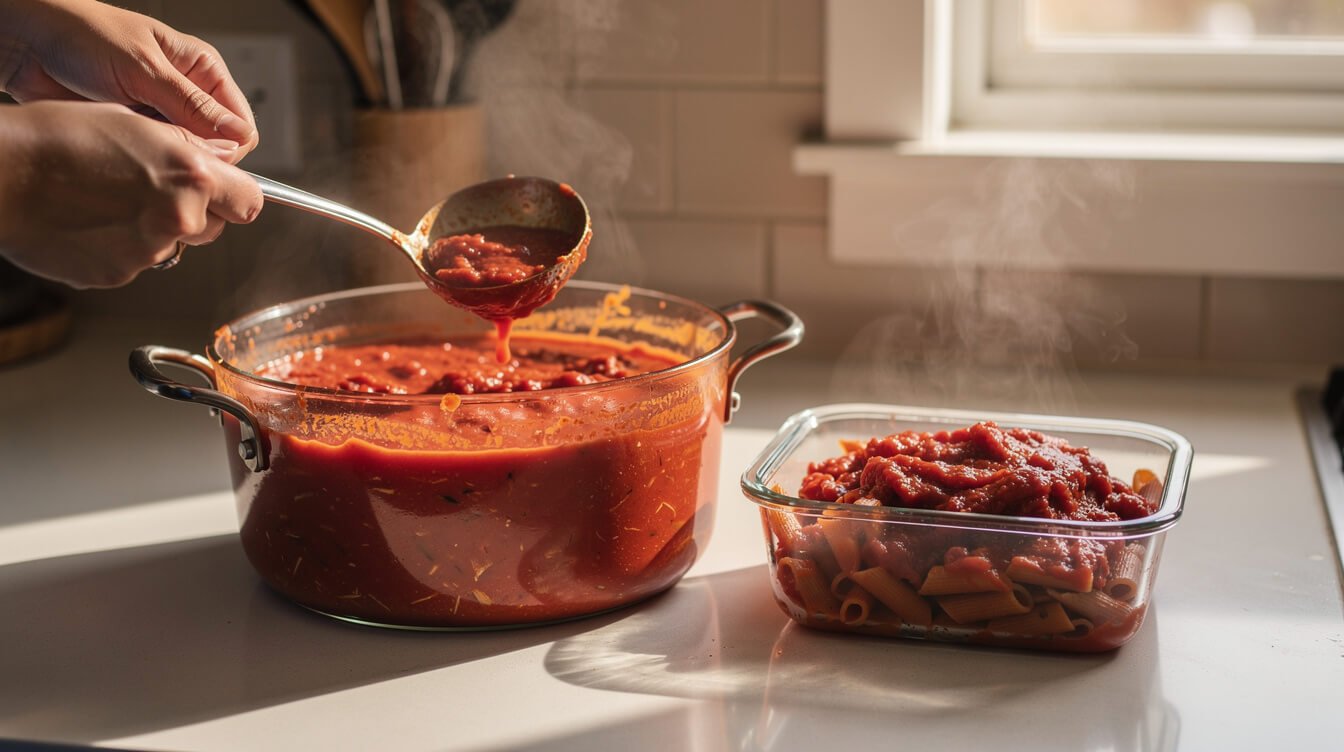
Here’s the single change that does more for your week than any recipe: when you’re already cooking, cook double. Not a whole extra meal — just double the base. Double the ground beef for tacos, and half of it becomes taco pasta two nights later. Double the roasted chicken, and the extra becomes chicken quesadillas or a quick soup. Double the rice, always — it reheats better than almost anything else and turns a plain protein into a fried rice night with zero extra cooking time.
The trick is doubling the boring, base-layer part of a meal — the protein, the grain, the roasted vegetables — not the whole finished dish. A finished casserole reheated twice starts tasting like a finished casserole reheated twice. A base ingredient, repurposed into something that looks and tastes different, doesn’t.
Two food-safety basics make this actually work instead of becoming a fridge science experiment: get leftovers into the fridge within two hours of cooking, and when you reheat them, heat them until they’re steaming hot all the way through (165°F if you’re checking with a thermometer). Most fridge leftovers are best used within three to four days — if it’s been longer, when in doubt, throw it out.
If you want a longer runway on planning the whole week around this, our meal prep ideas for the week goes deeper on batching for five dinners at once. This is the lighter version: just double what you’re already making tonight.
5 truly easy weeknight dinners for family (with the one swap for picky eaters)
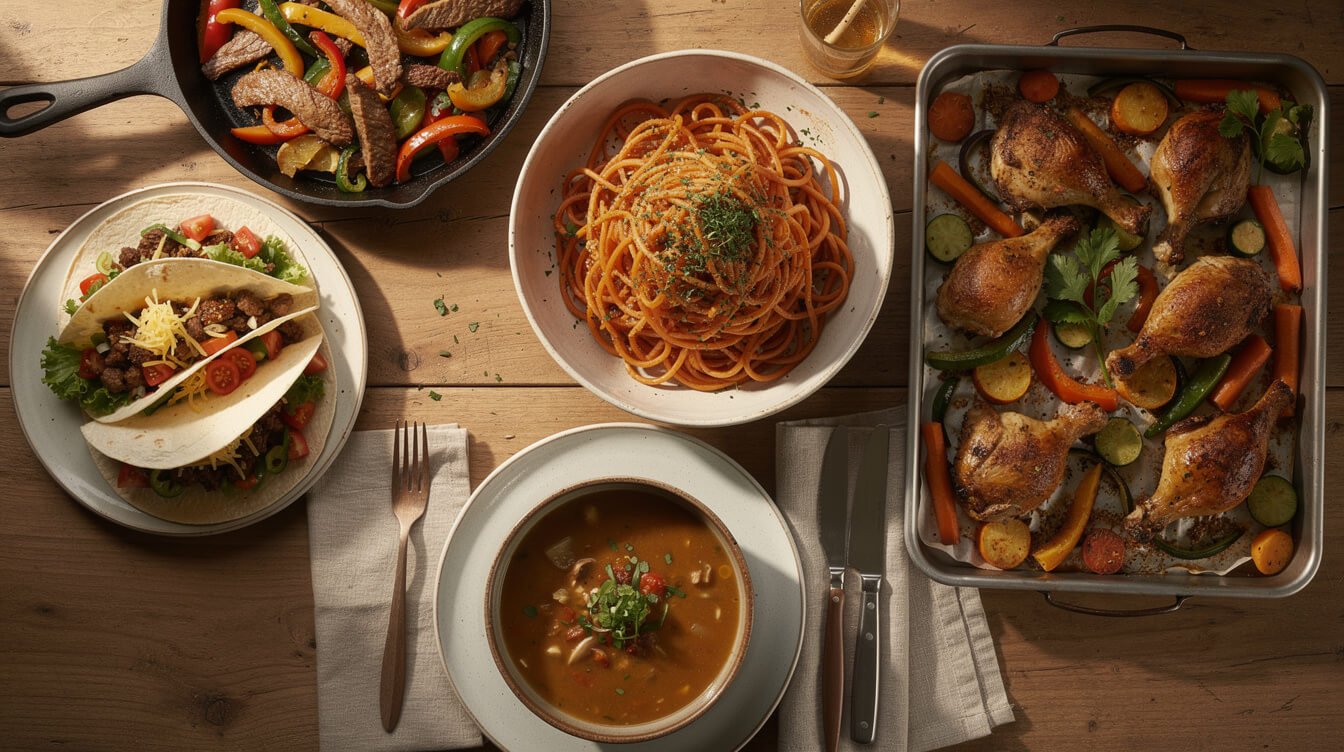
These five actually clear the 30-minute, one-pan bar above — and each one has a built-in swap for the kid (or adult) who won’t eat what everyone else is eating, so you’re not cooking two separate dinners.
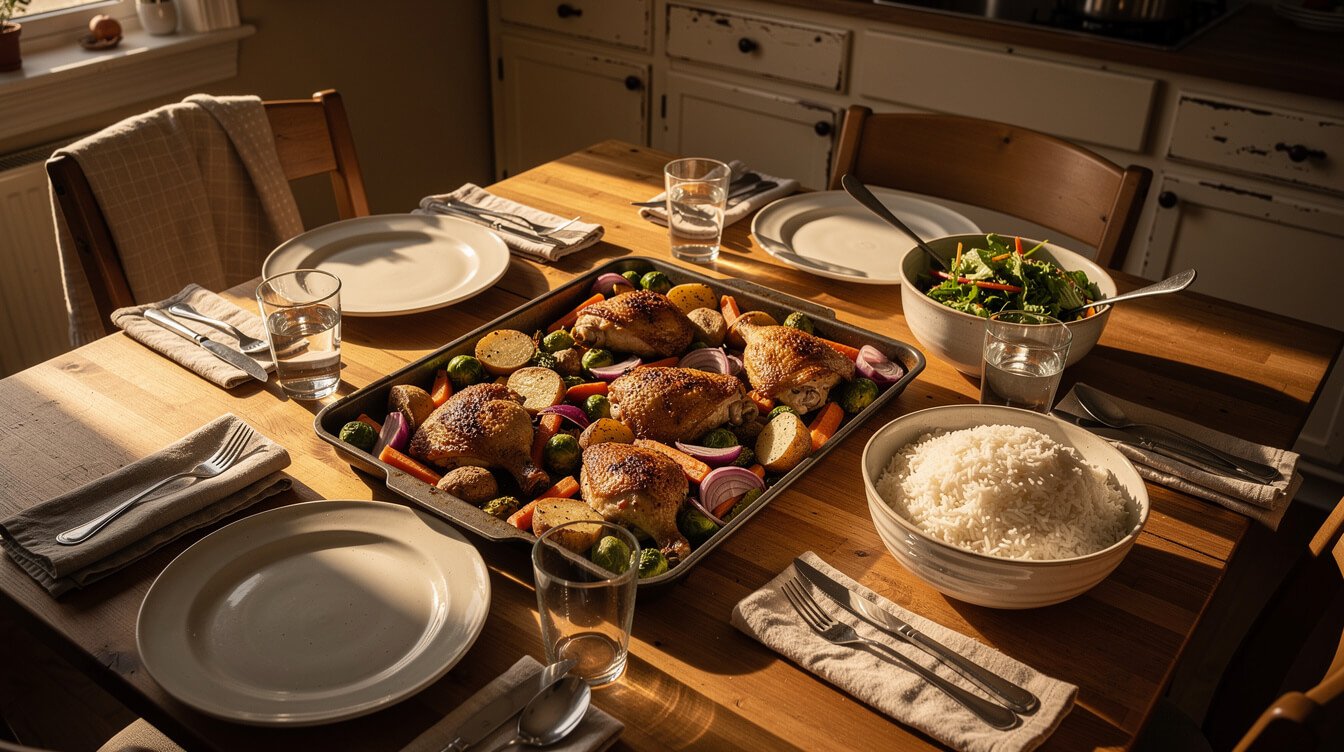
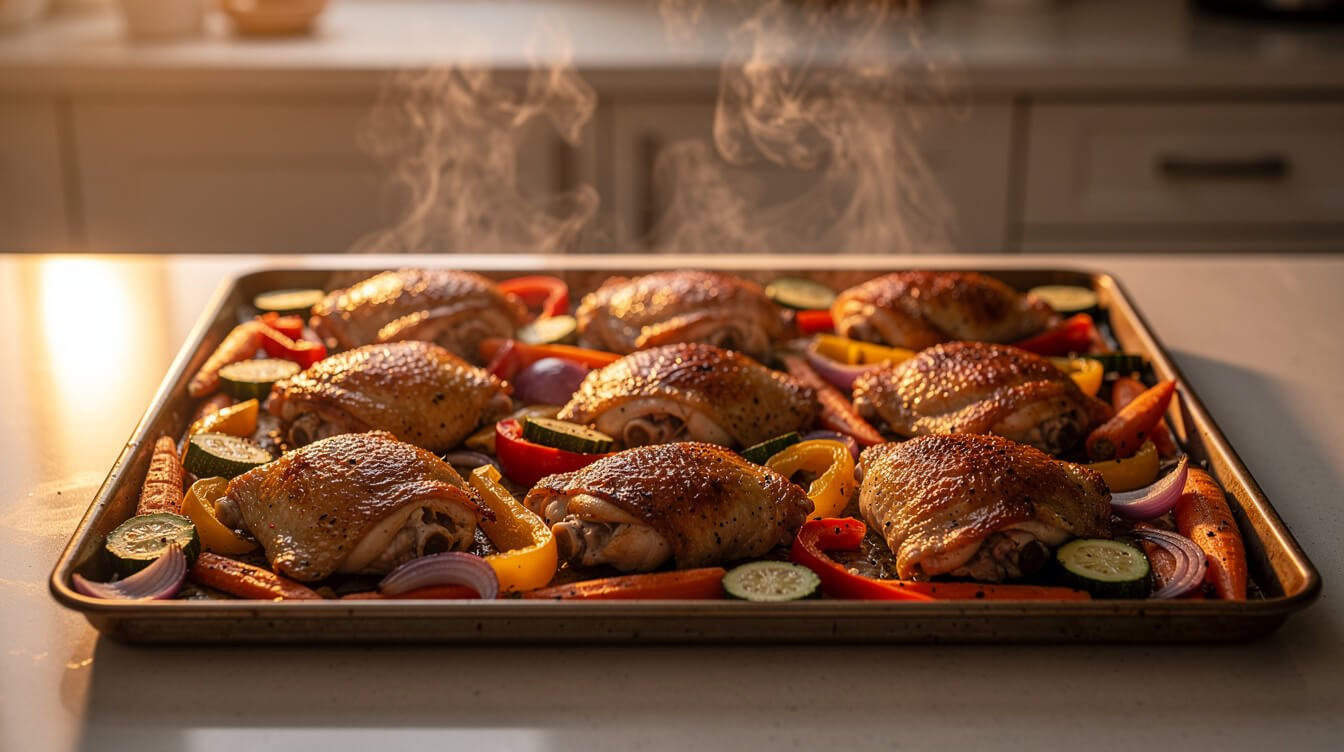
- Sheet pan chicken and vegetables. Chicken thighs, whatever vegetables are about to go bad, olive oil, salt, 400°F for 25 minutes. The swap: keep one corner of the pan plain — no seasoning blend, just salt — for the picky eater, and season the rest for everyone else.
- One-pot taco pasta. Brown ground beef or turkey in a pot, add taco seasoning, pasta, and broth, simmer until the pasta’s cooked and the liquid’s absorbed. The swap: scoop out a plain portion of cooked pasta and beef before you add the seasoning, then finish seasoning the rest of the pot.
- Skillet stir-fry with whatever’s in the crisper. High heat, a splash of oil, protein first, vegetables in order of how long they take to cook, a simple soy-and-garlic sauce at the end. The swap: set aside plain rice and plain protein on the side for anyone who doesn’t want sauce.
- Sheet pan quesadillas. Tortillas, shredded cheese, whatever protein you have, on a sheet pan under the broiler for 3–4 minutes a side. The swap: it’s already built in — everyone fills their own, so nobody’s stuck with a filling they didn’t choose.
- 15-minute tomato soup and grilled cheese. Canned crushed tomatoes, broth, a little cream or milk, simmered while the sandwiches griddle. The swap: plain grilled cheese for the picky eater, everyone else can dip, add hot sauce, or load up the soup with extras.
Notice the pattern: the swap almost never means cooking a second meal. It means holding back a portion before you add the thing the picky eater objects to. That’s the whole trick — one pot, one pan, split at the right moment instead of two separate dinners from the start.
Pick two or three of these to actually try this week rather than all five at once. Once one becomes automatic — you don’t need the recipe in front of you anymore — add the next. That’s how a “list of dinners” turns into “dinners you actually trust,” which is the entire point of this system.
A simple weekly shape to follow (not a rigid meal plan)
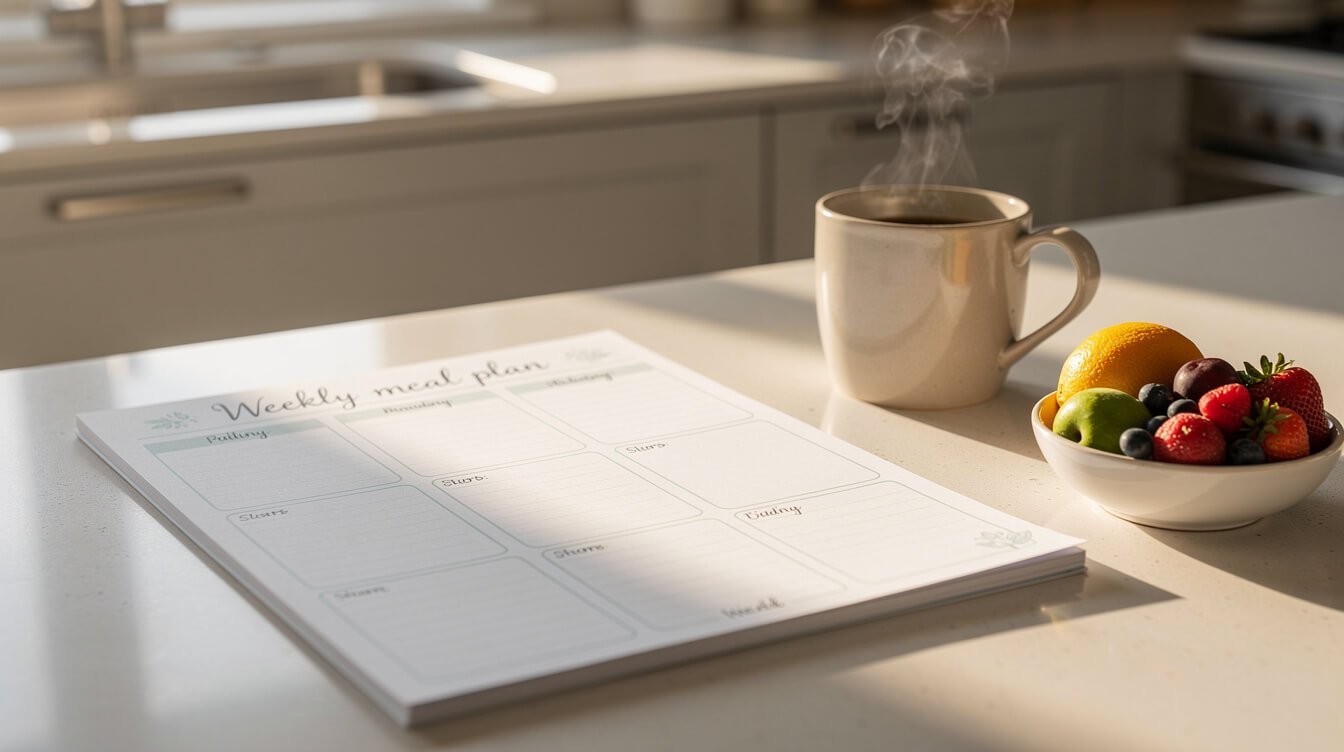
A rigid meal plan falls apart the first time practice runs late or someone’s not hungry for what’s written down. What actually survives a real week is a shape — a loose rhythm, not a fixed menu:
- 1 night, cook double. Pick one night early in the week to make one of the five dinners above, doubled, per the prep-once trick.
- 1 night, use the double. A few days later, that extra becomes a different-feeling meal with almost no cooking.
- 2–3 nights, pick from your five. Rotate through your go-to easy dinners. You’re not deciding from scratch — you’re choosing from a short list you already trust.
- 1 night, clean-out-the-fridge night. Whatever’s left, in a stir-fry, a soup, or on a sheet pan. This is what keeps food waste — and the “what do we do with this half a bag of spinach” guilt — off your plate.
- 1 night, off the hook. Leftovers, breakfast for dinner, or takeout. Every real week needs one night where nobody’s cooking.
That’s five nights of a plan and two nights of flexibility, not seven nights of decisions. Write the shape on a sticky note, not the specific dishes — the specific dishes can change every week, the shape doesn’t have to.
A real week, filled in, might look like: Monday sheet pan chicken (doubled), Tuesday taco pasta, Wednesday the extra chicken becomes quesadillas, Thursday clean-out-the-fridge stir-fry, Friday takeout or breakfast for dinner, and the weekend is yours. Five decisions made once, on Sunday, instead of seven decisions made under pressure all week.
What to always keep stocked so dinner comes together fast
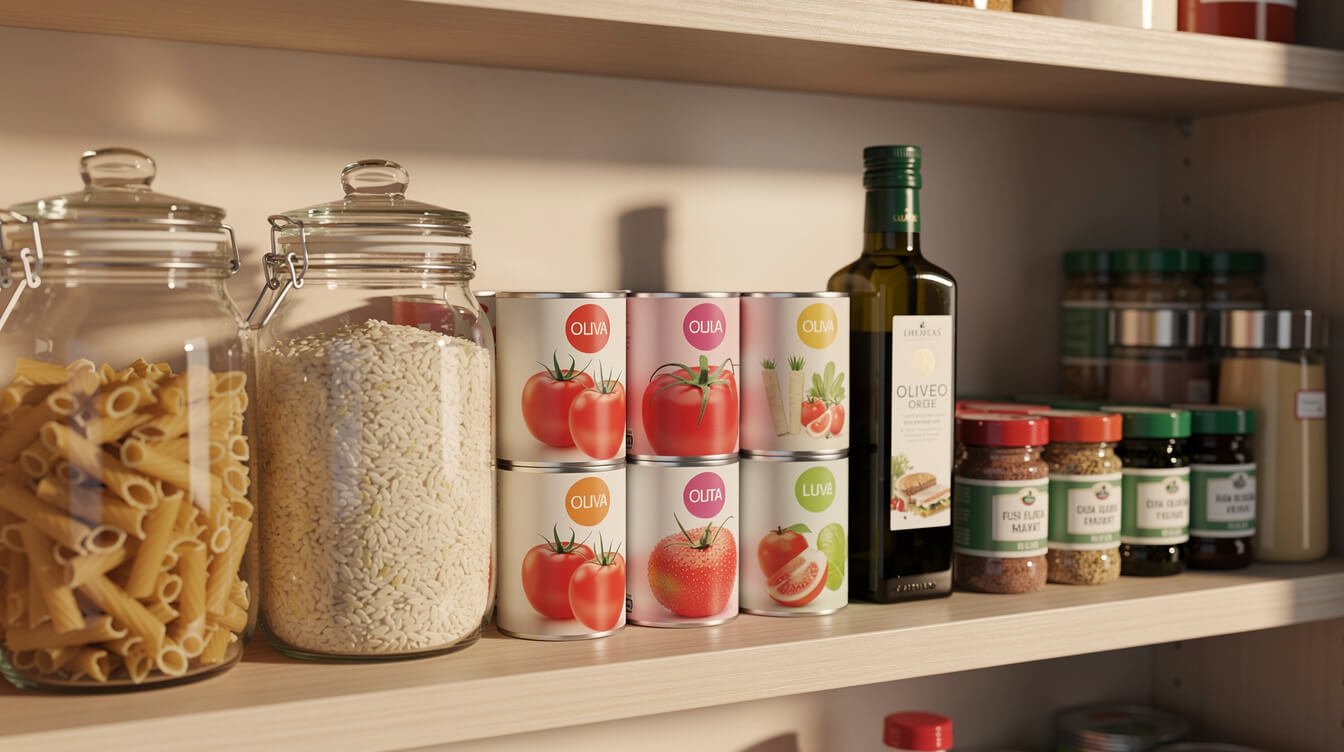
The system above only works if you’re not also making a grocery run mid-week for one missing ingredient. Keep these on hand and you can build almost any of the five dinners above without a plan:
- A grain: rice, pasta, and tortillas cover most of it.
- A canned tomato product: crushed tomatoes for soup or sauce, done in one can.
- A frozen protein: chicken thighs and ground beef or turkey both go from freezer to pan reasonably fast.
- A bag of frozen vegetables: they don’t go bad the way fresh ones do on a slow week, and nobody can tell the difference in a stir-fry.
- Shredded cheese and eggs: the two things that turn “there’s nothing to eat” into quesadillas or fried rice in ten minutes.
- A basic seasoning lineup: taco seasoning, garlic, soy sauce, and a good olive oil do most of the flavor work across every dinner on this list.
You don’t need a full pantry overhaul. You need this short list to never hit zero. Frozen and canned aren’t a downgrade here — they’re what makes the system work on the weeks you didn’t get to the store. A bag of frozen peas doesn’t care that it’s been sitting in the freezer for three weeks; a bag of fresh spinach does.
Common weeknight dinner mistakes that cost you time
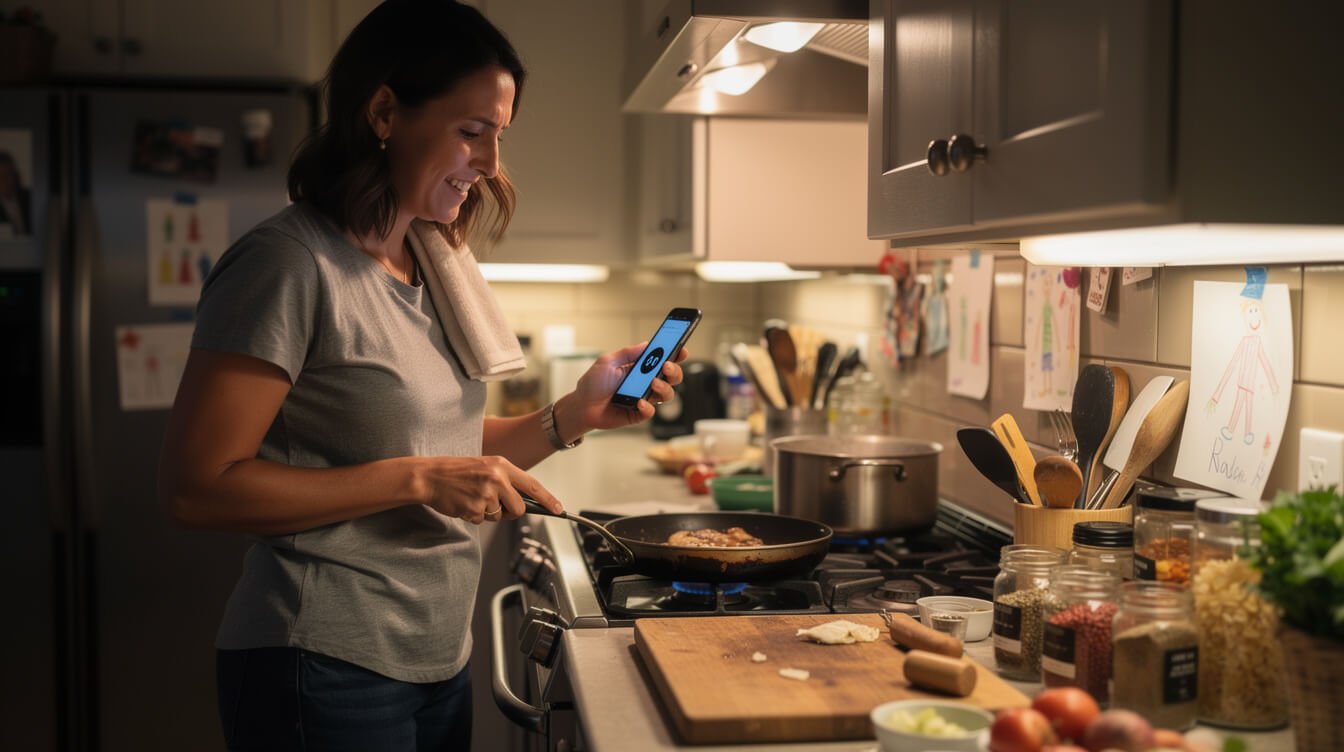
Most of the time lost on a weeknight isn’t in the cooking — it’s in the decisions around it. A few habits fix more than any recipe will:
- Deciding dinner at dinner time. That’s the single biggest time sink. Decide in the morning, or the night before, even if the decision is just “chicken or beef.”
- Not pulling the freezer item out early. A frozen chicken thigh needs hours to thaw safely in the fridge, not minutes on the counter. Pull it in the morning, not at 5:30.
- Chasing a brand-new recipe on a busy night. New recipes take longer than familiar ones, every time, because you’re reading instead of just doing. Save the new ones for a night with slack in it.
- Skipping the mise en place. Chopping as you go, instead of before you start cooking, is where “30-minute” recipes quietly become 50-minute ones.
- Cooking two separate dinners for picky eaters. As above — hold back a plain portion before seasoning, don’t double your cooking load to please one picky plate.
- Waiting to preheat. Turn the oven or the pan on before you do anything else. Those five minutes of heat-up time run in the background instead of adding to your total.
- Not doubling on the nights it would help most. If you’re already standing at the stove, doubling costs you almost no extra time — it’s the nights you skip it that cost you a decision later in the week.
FAQ: easy weeknight dinners for family

How do I plan a week of dinners without spending an hour on it?
Use the shape, not a menu: one double-batch night, one leftover-remix night, two or three from your go-to five, one fridge-cleanout, one night off. Fill in specific dishes in two minutes, not sixty.
What’s the easiest dinner for a night with zero energy?
Sheet pan quesadillas or tomato soup and grilled cheese — both are under 20 minutes, one pan or one pot, and both let everyone customize their own plate.
How do I stop cooking two different meals for picky eaters?
Cook the base plain first, then season or sauce the portion for everyone else. It’s one pot, split at the right moment, instead of two pots from the start.
How long do dinner leftovers actually last?
Get them into the fridge within two hours of cooking, and plan to eat them within three to four days. Reheat until steaming hot all the way through before serving.
Do I need to meal prep on Sunday for this to work?
No. The whole point of the prep-once, eat-twice trick is that it happens on a normal weeknight — you’re just doubling what you were already cooking, not adding a separate prep session.
What if my family doesn’t like leftovers?
Don’t serve the same dish twice — repurpose the base into something that looks different. Leftover roasted chicken becomes quesadillas, not “chicken again.”
How many dinners do I really need in rotation?
Five is enough. Once you have five dinners you can make without checking a recipe, most weeknights are solved — you’re picking, not planning, and that’s a much smaller decision.
Is it safe to double a recipe that wasn’t written for it?
For most stovetop and sheet pan dinners, yes — doubling the protein, grain, or vegetables scales cleanly. Just make sure everything still has room to cook evenly (a crowded sheet pan steams instead of roasts) and that any raw meat still reaches a safe internal temperature before serving.
Final thoughts
You don’t need forty recipes or a rigid meal plan pinned to the fridge. You need five dinners you actually trust, one doubling habit, and a loose shape for the week that bends without breaking. That’s the whole system — and it’s a lot more forgiving than it sounds on the nights that don’t go as planned.
If you’re looking for a version of this scaled down for two people instead of a full family, our easy weeknight dinners for two guide covers the same idea with smaller batches. And if you want to take the batching habit further, meal prep ideas for the week is the next step once this system feels natural.
Save this one for the next Tuesday that feels impossible. It won’t be, not with a shape to fall back on.