Our 5 Favorite Braises To Keep You Warm Through The Last Cool Days
Braising is arguably one of the easiest cooking methods every developed. You basically only have to put everything in a pot and the meat cooks on its own with little supervision although it does take a few hours to cook. Yet, the outcome is a rich and tender meal that is filling and comforting especially during colder days. Here are 4 of our favorite braise recipes to help get you through the last few days of winter.
The Basics Of Braising
First, let’s clarify what braising is. Braising is a cooking method that combines both dry and moist heat techniques using a small quantity of fat and liquid. The process requires a long period as it slowly breaks down the meat. Because braising breaks down the meat slowly over low heat, it can turn even large or tough cuts tender enough to melt in your mouth.
Braised dishes commonly have rich, thick sauces that covers the meat generously. However, unlike stews, braised dishes do not have too much sauce so as to completely submerge the meat.
How To Braise Anything
You can braise any meat you want—beef, pork, lamb, poultry, seafood, and even vegetables. Regardless of the type of meat you use, braising follows the same simple steps:
1. Prepare The Meat

Start by trimming off excess fat from your choice of meat. Cut it into smaller chunks or leave it as is—either way works. Season the meat with salt and pepper.
2. Sear The Meat
In a heavy-bottomed pot or, preferably a Dutch oven, heat up a small amount of neutral oil over high heat. Once the oil is shimmering, add the meat. If your oil is hot enough, the meat should sizzle. Sear the meat for 1 to 2 minutes until it becomes brown and caramelized. Flip the meat over so all sides are browned and caramelized. Remove the meat from the pan and set aside.
3. Sauté The Aromatics And Vegetables
With the meat set aside, remove most of the fat from the pot. Leave only about a tablespoon. Don’t remove the burnt bits, though, because will add flavor to your sauce later. Add your choice of aromatics. You can never go wrong with garlic, onion, and celery. Add the vegetables, which may include carrots, tomatoes, or celery, along, too. Cook for about 5 minutes or until the onions turn light golden brown.
Just before the onions turn golden brown, you may also add your favorite herbs. Thyme, rosemary, bay leaves, red pepper flakes are always a good choice. You may also season with soy sauce or Worcestershire sauce.
4. Deglaze And Add Liquid
Add ¼ cup of white wine, broth, or water to the pot. The liquid should bubble up and release the burnt beats on the bottom. Use a wooden spoon to scrape off any remaining burnt bits on the pot.
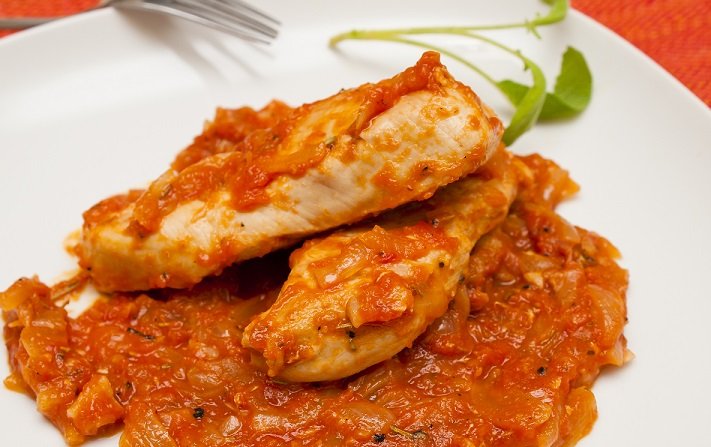
Add the meat back to the pot. Pour water onto the pot, making sure that the meat is only covered halfway or three-quarters of the way.
5. Let The Meat Cook Slowly
Bring the water to a simmer and then cover the pot. If you’re braising on a stovetop, keep the heat at low. If you prefer the oven, make sure that the temperature is at 325F.
Pork, beet, or lamb typically takes about 3 hours to cook, but chicken may only take 45 minutes. Check on the braise every 20 to 30 minutes and add water if necessary. Once the meat is tender enough, your braise is ready.
5 Of Our Top Braise Recipes
Here are 5 of our go-to braise recipes to comfort us during colder months.
Red Wine-Braised Pork Shoulder
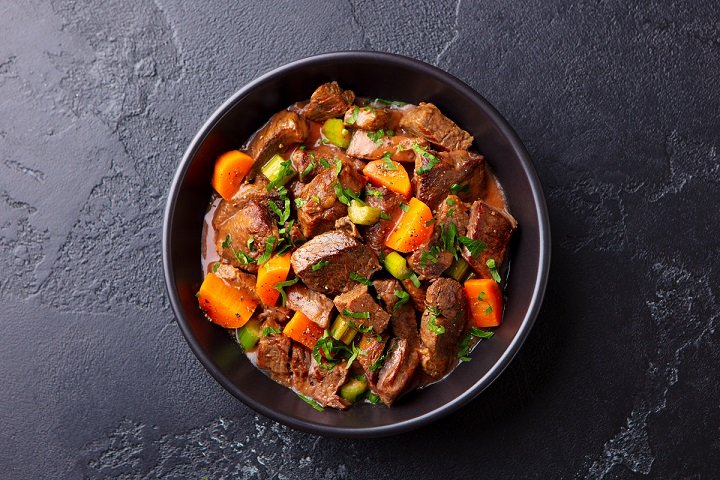
This braised recipe is fairly simple. You could even skip the searing step and cook this straight in the oven with all the ingredients in, basting every hour until it becomes tender enough.
Ingredients
4 1/2 lbs bone-in pork shoulder (optionally cut into 2-inch pieces)
Vegetable oil
3 medium onions, thinly sliced
16 oz Dry red wine
Salt
Freshly ground black pepper
Dried parsley
Dried basil
Thyme
Pollo In Potacchio
Potacchio is a traditional Italian braising method that is said to have originated as a method for making soup in France. This method is widely used in Le Marche in eastern Italy.
Ingredients:
3 cloves of garlic, whole
Wild fennel
Rosemary
1 stalk of celery, chopped
2 carrots, chopped
Fine salt
2 eggplants, diced
Cherry tomatoes, diced
1 Chicken (cut to pieces)
Moroccan-style Braised Lamb Shanks
This braised lamb shanks recipe combines traditional Moroccan flavors.
Ingredients:
5.5 oz olive oil
6 lbs lamb shanks (frenched)
2 leeks, chopped
2 onions, chopped
4 garlic cloves, chopped
2.5 oz harissa paste
2 cinnamon quills
2 star anise
1 pinch saffron threads
1 orange, finely grated zest and juiced
4 oz white wine
3.5 oz dried apricots, chopped
3.5 oz pitted dates, chopped
1 14 oz canned chickpeas, rinsed, drained
3 14 oz canned chopped tomatoes
16 oz chicken stock
3.5 oz Sicilian olives
Coriander leaves
Smoked almonds, chopped
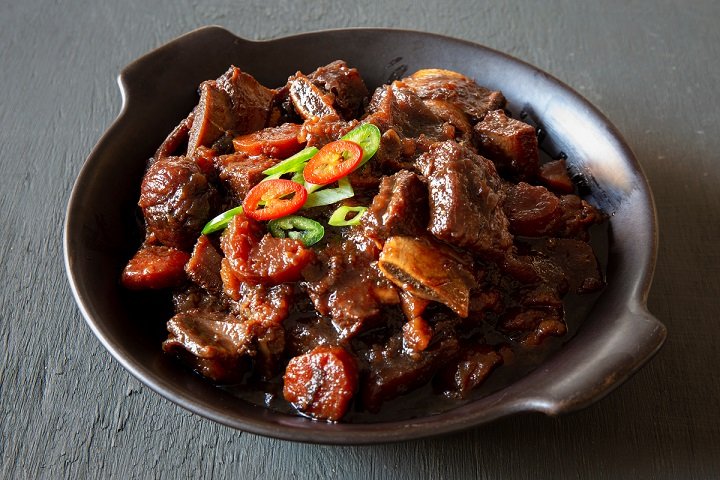
Korean Braised Beef Short Ribs (Galbijjim)
Short ribs are a flavorful but rather fatty and tough, making braise the ideal way to cook them. The traditional process for galbijjim is a little different as it requires boiling the beef instead of searing. It also skips the deglazing step so you only have to cook all the ingredients in the pot slowly after boiling the beef.
Ingredients:
4 lbs bone-in beef short ribs
12 oz water
2 carrots, cut to medium pieces
Dried jujube (or raisins; optional)
Ginkgo nuts, peeled (optional)
Chestnuts, peeled (optional)
For the sauce (to be blended):
1 red apple
½ onion, chopped
3 oz soy sauce
1 oz brown sugar
1 oz honey
1 oz rice wine
1 oz garlic, minced
1 tsp sesame oil
5 whole black peppers
Braised Vegetables
It’s not just meats that you can braise. The method brings out wonderful flavors in vegetables as well. The best thing about braising vegetables is they take half as much time to cook.
Ingredients:
Olive oil
3 medium onions
3 cloves garlic
2 lbs tomatoes
3 green or red peppers
6 small zucchinis
2 eggplants
1 bay leaf
Rosemary
Basil
Thyme
1 tsp sugar
Salt
Black pepper
Want to learn more cooking methods? Visit us at Eat Café.


From the Eat Cafe shop
Chef Coat Costume Tee | Culinary Uniform T-Shirt
Price range: $24.99 through $26.99
See it in the shopBefore you go
Want the next one?
We post a new recipe or kitchen guide every day. The best of the week lands in one short email, no life story attached.